
Guide to best protein powders for muscle gain in 2026
In today’s health-conscious world, protein powders have become a staple for fitness enthusiasts, athletes, and casual gym-goers alike. They offer a convenient way to increase protein intake, support muscle growth, and assist in recovery post-workout. Whether you're aiming to build muscle, enhance muscle protein synthesis, or simply meet your daily protein needs, selecting the right protein supplement is crucial. However, with so many options available, it can be difficult to determine which protein product is best suited for your needs, especially for women seeking muscle gain and those on a budget. whey protein powder
This comprehensive guide will explore the top protein powders of 2026, including their benefits, drawbacks, and which demographics they cater to best. Additionally, we’ll provide insights into the latest trends in protein supplementation, offering a thorough understanding of how these products can fit into your lifestyle.
10 Best Protein Powders for Muscle Gain
Choosing the right protein powder depends on your personal goals, dietary preferences, and budget. Here are ten exceptional protein products tailored for various needs, along with FDA guidelines for protein consumption and expert recommendations to help guide your choices.
1. Laperva Iso Triple Zero Next Generation Whey Protein

- Best for: Muscle Gain
- Overview: This whey protein isolate is designed for lean muscle building with minimal carbs and fats. It's perfect for those looking to avoid excess calories while increasing their protein intake. The high protein content ensures you’re getting enough protein per serving to support muscle mass and muscle-building protein synthesis.
- Pros: 27 grams of protein per serving, no added sugars, gluten-free, and lactose-free.
- Cons: Slightly more expensive than other products, though the quality justifies the price for serious athletes.
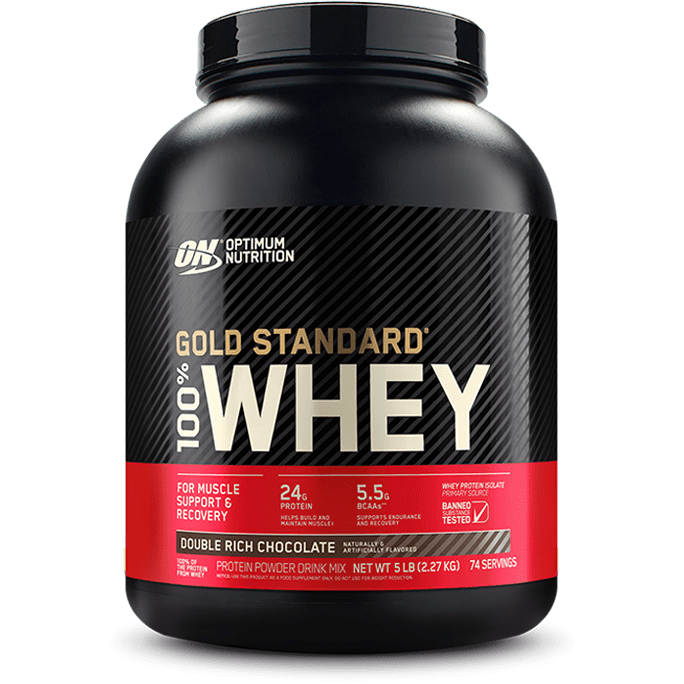
2. Optimum Nutrition Gold Standard Whey
- Best for: Value for Money
- Overview: A well-known whey protein powder offering excellent results at an affordable price, suitable for both beginners and experienced fitness enthusiasts. Its whey protein blend provides a balance of whey protein isolate and whey protein concentrate, catering to those who seek both rapid and sustained protein synthesis.
- Pros: 24 grams of protein per serving, wide variety of flavors, mixes well with different liquids.
- Cons: Contains artificial sweeteners, which some users may prefer to avoid.
3. Laperva Triple Vegan Protein

- Best for: Plant-Based Protein
- Overview: A blend of pea protein, brown rice protein, and hemp, this plant-based protein powder provides a complete amino acid profile. It's an excellent protein source for vegans or those with dairy allergies, ensuring you meet your protein needs without compromising on muscle growth.
- Pros: Includes greens, probiotics, and omega fatty acids for additional health benefits.
- Cons: Texture can be gritty, but blending with smoothies can help improve consistency.
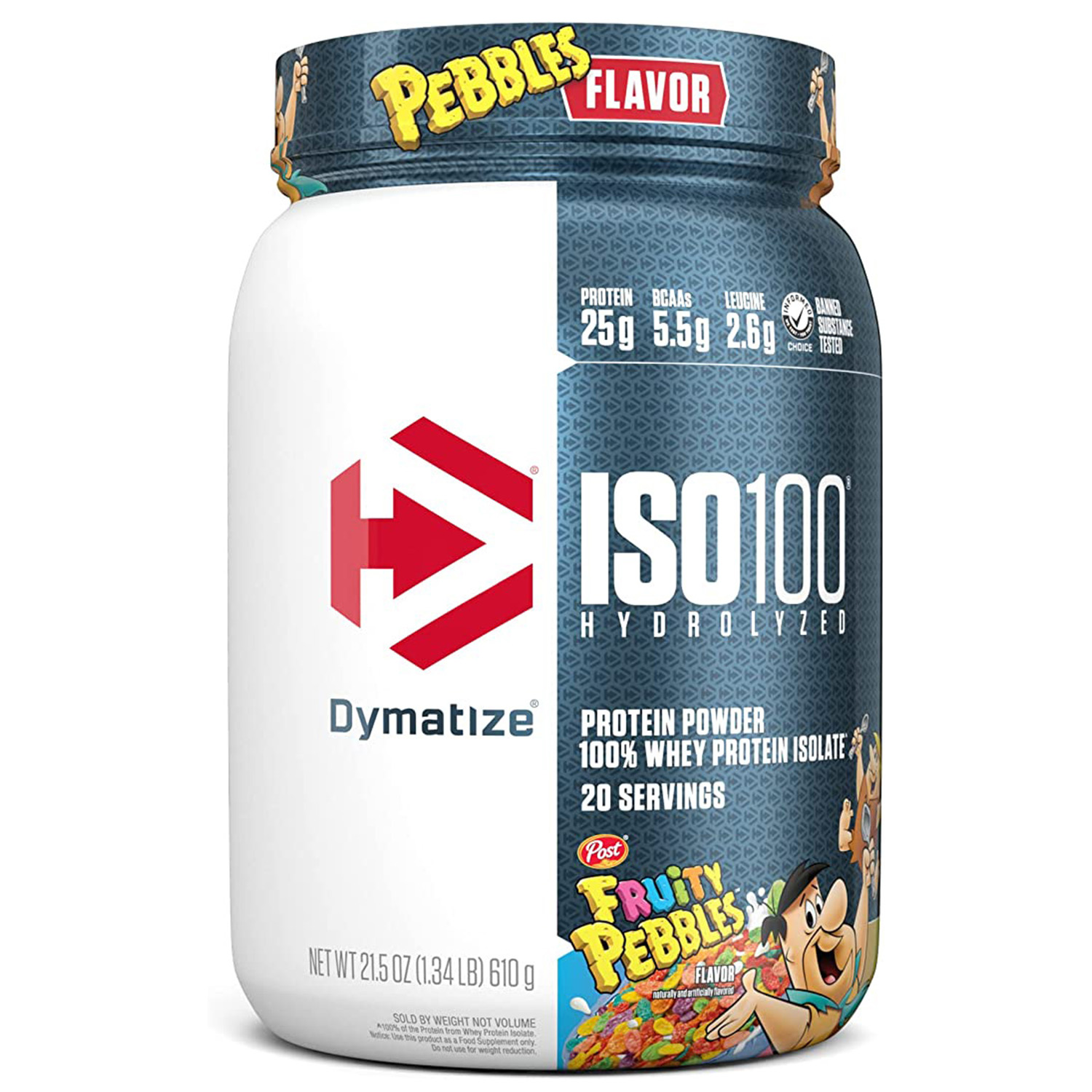
4. Dymatize Nutrition ISO 100
- Best for: Rapid Absorption
- Overview: Hydrolyzed whey protein isolate designed for quick digestion, making it ideal for post-workout recovery, especially for athletes. Its whey protein hydrolysate form ensures that muscle protein synthesis is maximized promptly after training, making it an essential part of a muscle-building nutrition plan.
- Pros: 25 grams of protein per serving, fast absorption, easy on digestion.
- Cons: Higher price point compared to regular whey products.
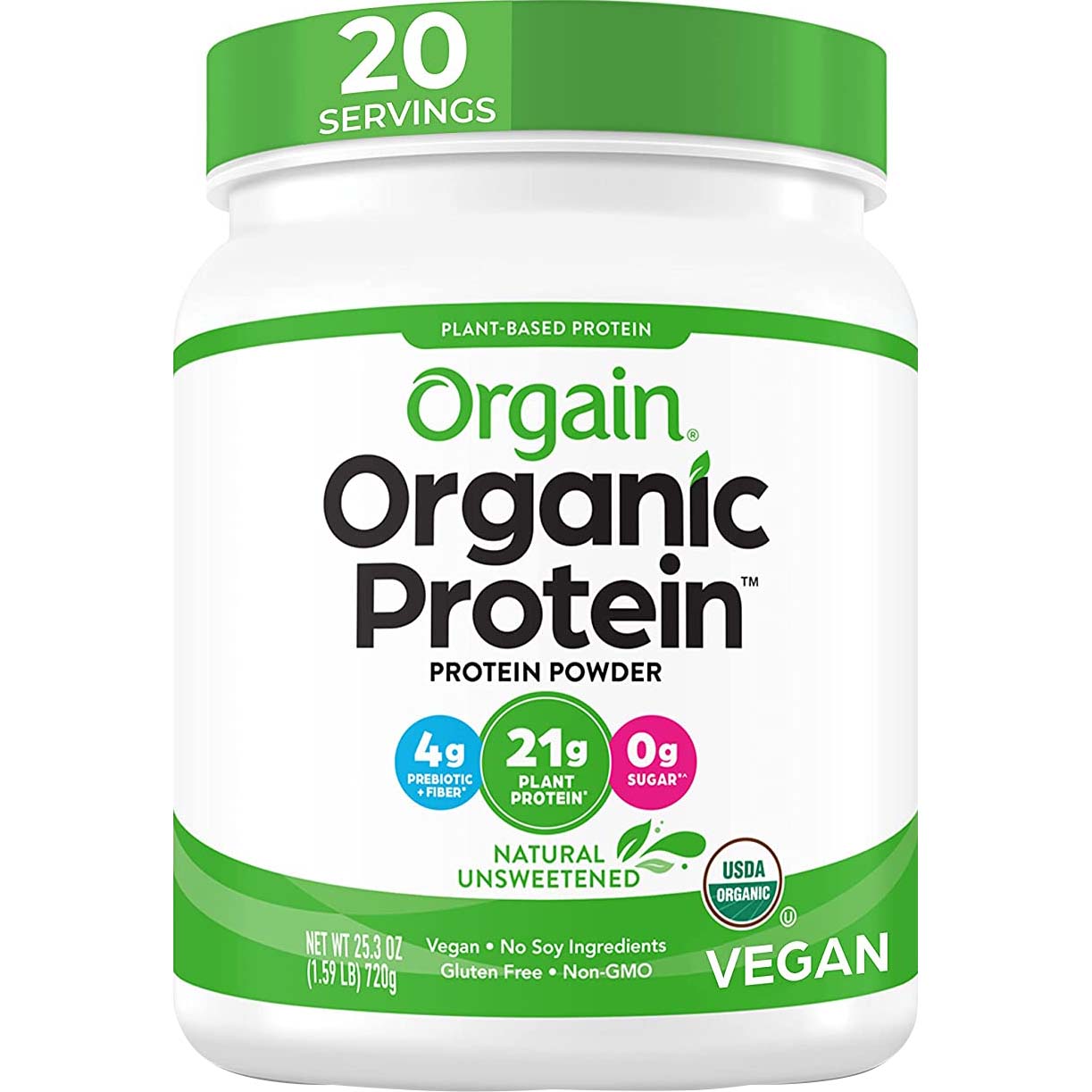
5. Orgain Organic Protein Powder
- Best for: Budget-Friendly Option
- Overview: An affordable plant-based protein powder that doesn’t compromise on quality. It combines pea and brown rice proteins for a complete amino acid profile, making it a complete protein source ideal for muscle building on a budget.
- Pros: 21 grams of protein per serving, organic certification, gluten-free.
- Cons: Limited flavor options, and the texture may feel chalky when mixed with water.
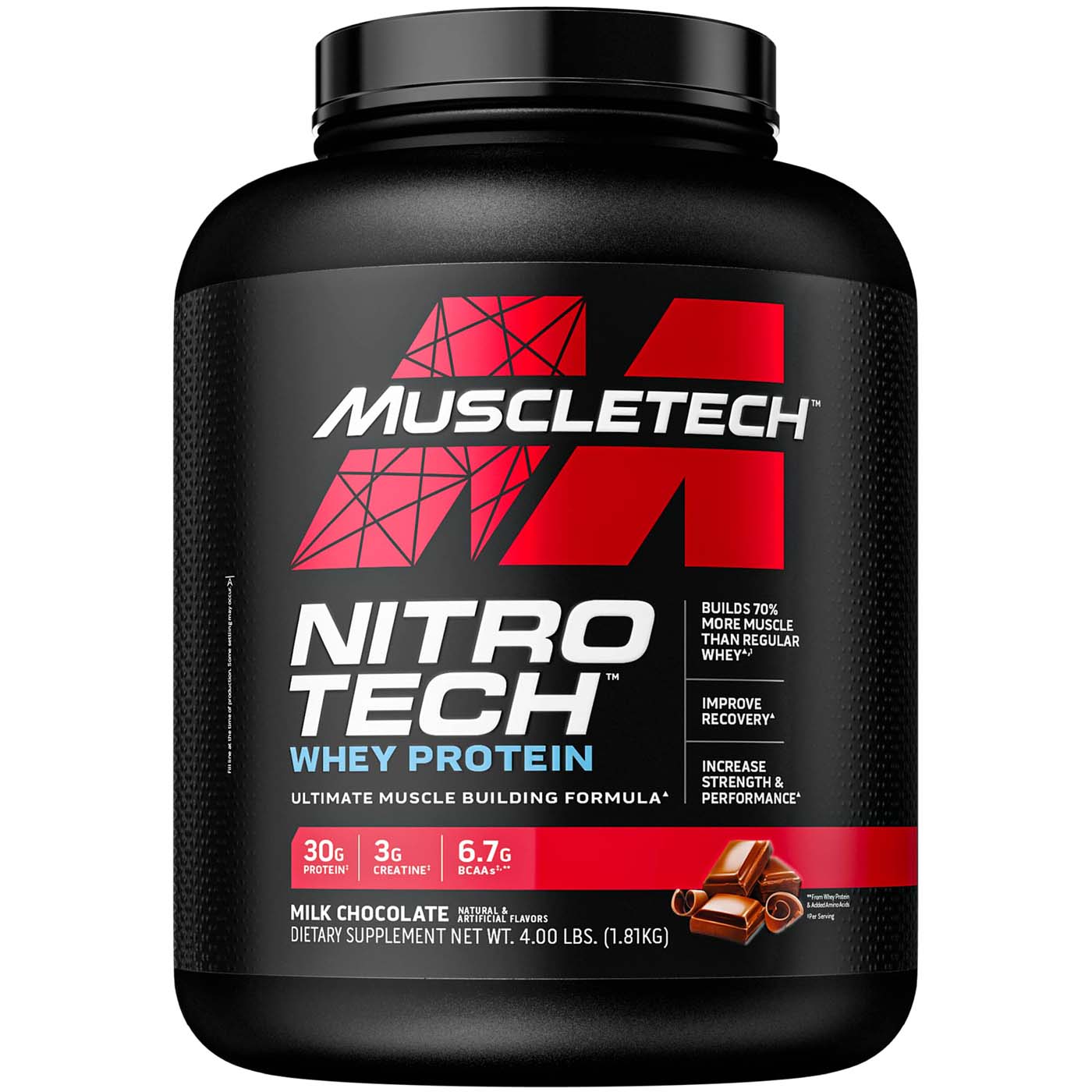
6. Muscletech Nitro Tech Whey Protein
- Best for: Protein Blend
- Overview: This protein blend combines whey peptides, isolate, and concentrate for sustained release, ideal for muscle recovery throughout the day or night. Its blend of whey proteins ensures both immediate and prolonged protein synthesis, supporting continuous muscle growth.
- Pros: 30 grams of protein per serving, good for post-workout or overnight recovery, pleasant taste.
- Cons: Contains lactose, which may not suit those with lactose intolerance.
7. Nature’s Best Isopure Low Carb Protein

- Best for: Low-Carb Diets
- Overview: A whey protein isolate with zero carbs, ideal for those on a ketogenic or low-carb diet, offering a pure protein source. Its high protein content without the extra carbs makes it perfect for lean muscle mass development while adhering to strict dietary plans.
- Pros: 25 grams of protein per serving, zero carbs, lactose-free.
- Cons: Some may find the flavor slightly artificial.
8. Garden of Life Raw Organic Protein

- Best for: Vegan Diets
- Overview: A plant-based protein powder made from raw, organic ingredients, including probiotics and enzymes to support digestion. This ensures that your body effectively absorbs the protein to support muscle growth and overall health.
- Pros: 22 grams of protein per serving, USDA organic and non-GMO, includes probiotics for digestive health.
- Cons: Gritty texture may require blending for a smoother consistency.
9. Transparent Labs Grass-Fed Whey Protein Isolate
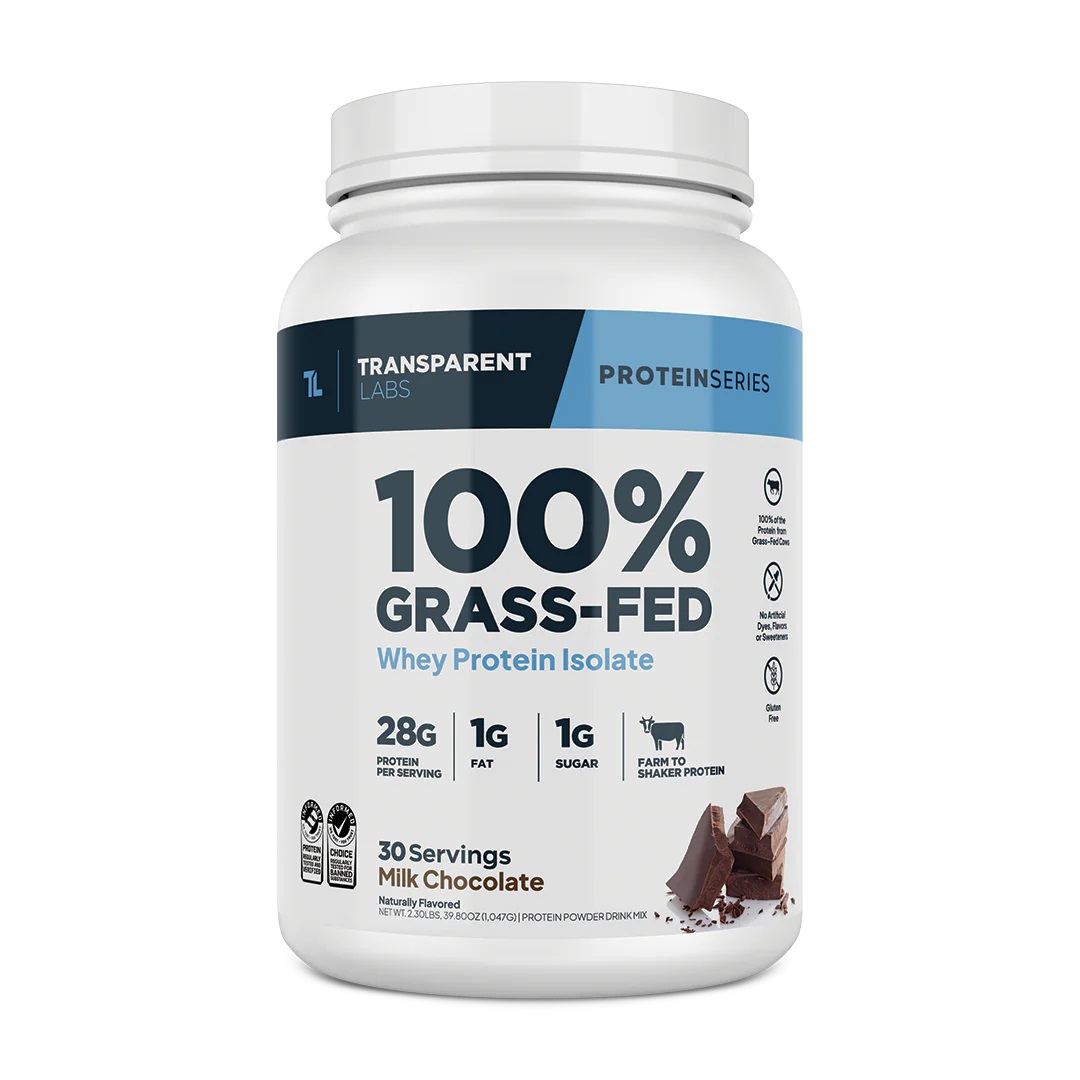
- Best for: Nutrient-Rich Supplement
- Overview: A nutrient-dense grass-fed whey protein isolate with 30 grams of protein per serving, rich in magnesium and antioxidants, making it excellent for overall health and muscle building. The grass-fed quality ensures a complete protein source with higher nutritional value, making it one of the top protein powder types for those who prioritize nutrient density.
- Pros: High protein content, nutrient-rich, great for muscle gain and recovery.
- Cons: Flavor may not suit everyone, but blending with fruits can improve taste.
10. Nature’s Best Isopure Zero Carb Protein

- Best for: Carb-Conscious Dieters
- Overview: A zero-carb whey protein isolate perfect for those on a low-carb or ketogenic diet, supporting muscle recovery and lean muscle building. Its whey isolate form ensures minimal protein synthesis interruption, ideal for maintaining muscle mass while keeping carb intake low.
- Pros: 25 grams of protein per serving, zero carbs, lactose-free.
- Cons: Flavor may taste artificial to some users.
How to Choose
When selecting a protein powder, consider the following factors:
-
Type of Protein: Whey, casein, and plant-based proteins all offer different benefits. Whey is great for muscle gain due to its fast absorption, while plant-based proteins are more suitable for vegans or those with allergies. Additionally, egg white protein powder and pumpkin seed protein are excellent alternatives for those seeking diverse protein sources.
-
Protein Per Serving: Aim for a protein powder that offers 20-25 grams of protein per serving, which is ideal for muscle recovery and growth. Ensuring you have a sufficient amount of protein supports muscle protein synthesis effectively.
-
Ingredients: Look for minimal added sugars, fillers, and artificial sweeteners. Natural sweeteners like stevia or monk fruit are preferred. Grass-fed whey protein and organic options can provide higher quality protein sources.
-
Dietary Needs: Ensure the protein powder fits your dietary restrictions, such as lactose intolerance or vegan preferences. Always check for allergens on the label. Complete proteins containing all essential amino acids are beneficial for comprehensive muscle building.
-
Taste and Mixability: The flavor and how well the powder mixes with liquids can affect your consistency in using it. Consider sample sizes to find your favorite flavor before buying in bulk. A good protein shake should blend smoothly without clumping.
-
Budget: Protein supplements come in a wide price range. Determine how much you're willing to spend and find the best protein powder that fits within your budget while meeting your protein needs.
-
Additional Nutrients: Some protein powders include added vitamins, minerals, or other supplements like greens powders, which can enhance overall health benefits beyond just muscle gain.
Conclusion
In 2026, protein powders are available in a wide variety of formulations to suit different dietary needs and fitness goals. Whether you’re looking to build muscle, maintain a low-carb diet, or find a budget-friendly vegan option, there’s something for everyone. Optimize your weight and support your muscle-building journey with a product that aligns with your dietary preferences and fitness goals. Protein is a great protein source for muscle mass and overall health. Remember to choose a product that aligns with your dietary preferences and fitness goals, and always consult a healthcare professional if you have any underlying health concerns. By understanding the types of protein powders and their specific benefits, you can make an informed decision to effectively support your muscle building journey.
How do you rate this blog?
You might also like
The Ultimate Guide to Whey Protein: Types, Benefits, Dosage, and More
Whey protein has cemented its position as one of the most popular protein supplements in the fitness...

Weight Loss Gummies: What You Need to Know
In a world where achieving weight loss goals is a common challenge, many individuals are turning to ...

Important Vitamins for Muscle Growth
Whether you're an avid bodybuilder, a fitness enthusiast, or someone simply looking to improve your ...