
Your Ultimate Guide to safe and Sustainable Weight Loss: Effective Strategies for Long-Term Success
The pursuit of weight loss has become a dominant topic in today's health-conscious society. More and more individuals are seeking ways to discard extra pounds and reach their ideal body weight. The inundation of quick-fix solutions and fad diets does little to reduce the overwhelming complexities associated with achieving a healthy weight. However, Long-term weight loss goes beyond the immediate shedding of pounds. It involves a lifestyle transformation that focuses on healthy eating habits, regular physical activity, and a balanced relationship with food and exercise for better overall health. This in-depth guide outlines effective strategies to help you lose weight, maintain your results, and develop a healthy relationship with food and exercise.
Steps to Sustainable Weight Loss
To achieve sustainable fat loss, it's crucial to adopt a multifaceted plan, a combination of nutrient-rich dietary changes, regular fitness routines, and positive behavioral adaptations. Here, we provide a step-by-step guide to help you embark on a successful journey toward long-term weight loss.
Set Realistic Goals
The first step toward successful weight loss is to determine the ideal amount of weight you need to lose. Setting realistic and attainable weight loss milestones is essential. A safe and sustainable rate of weight loss is approximately 1 to 2 pounds per week. This gradual approach helps preserve your metabolic rate and minimizes the likelihood of weight gain after losing the initial pounds.
Adopt a Balanced, Nutritious Diet
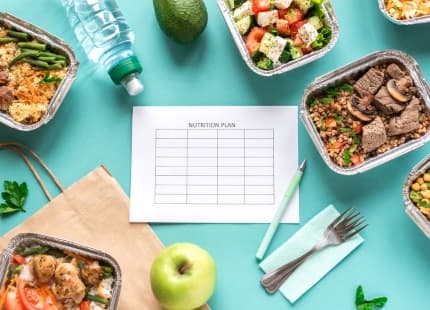
A well-balanced, calorie-conscious diet is a cornerstone of sustainable weight loss. Focus on a diverse array of nutrient-dense foods to form the foundation of your eating plan:
- Fruits and Vegetables: These low-calorie, high-fiber foods are essential for feeling full and reducing overall calorie intake. They should be the basis of your balanced diet.
- Whole Grains: Foods like brown rice, multigrain bread, and oatmeal are vital components of a healthy diet. They provide dietary fiber, which aids digestion and promotes satiety, reducing the urge to snack.
- Healthy Fats: Including foods rich in healthy fats, such as avocados, nuts, and olive oil, can help keep you full longer and support weight loss efforts.
It's important to note that while a balanced diet is key, some individuals may consider supplements for sustainable weight management to complement their nutritional intake. Always consult with a healthcare professional before starting any supplement regimen.
Regulate Portion Sizes
Portion control plays a significant role in managing your eating habits and overall food intake. Techniques such as using smaller plates, measuring food portions, or starting with smaller servings can help manage your calorie intake and contribute to weight loss management.
Incorporate Regular Physical Activity
Exercise is a crucial component of weight loss and maintaining a healthy weight. A combination of aerobic exercises (like swimming, jogging, and cycling) and strength training is recommended for a comprehensive fitness routine. Aim for at least 150 minutes of moderate-intensity exercise each week. Combining diet and exercise helps burn excess calories, improves metabolic function, and enhances overall health.
While regular physical activity is essential, some people may consider using fat burners for sustainable weight loss as an additional strategy. However, it's important to approach such supplements cautiously and prioritize natural methods like exercise and diet.
Understand Your Emotional Triggers
Emotional and environmental factors often contribute to unhealthy eating patterns. Keeping a food diary can help you track your eating habits and identify triggers that lead to unhealthy food choices. Recognizing these patterns enables you to develop healthier coping mechanisms and avoid emotional eating.
Stay Hydrated
Water plays a critical role in various bodily functions and can significantly impact weight management. Drinking water before meals can increase feelings of fullness, helping you consume fewer calories. Aim for 8-10 glasses of water daily, and replace sugary drinks with water to further reduce calorie intake.
Prioritize Adequate Sleep
Getting enough sleep is more important for weight loss than many people realize. Poor sleep can disrupt hormonal balance, leading to increased appetite and cravings. Aim for 7-9 hours of quality sleep each night to support your weight-loss efforts and maintain overall health.
Monitor Your Progress
Tracking your weight loss journey can help keep you motivated and accountable. Use a journal or digital app to log your food intake, exercise, and weight changes. Regular monitoring allows you to evaluate your progress and make adjustments to optimize your strategy.
Seek Support
A strong support system can greatly enhance your weight-loss journey. Friends, family, or support groups can provide motivation, accountability, and emotional encouragement. Additionally, participating in programs designed for sustainable weight loss can offer structured guidance and resources to help you achieve your goals. Sharing your experiences with others can help you stay grounded and motivated to reach your weight loss goals.
Foods That Assist Sustainable Weight Loss
Certain food groups can help enhance your weight loss efforts by promoting satiety, providing essential nutrients, and managing calorie intake. Incorporating these foods into your diet can help you lose weight and keep it off:
- High-Fiber Foods: Foods rich in fiber, such as legumes, whole grains, fruits, and vegetables, help you feel full while being relatively low in calories. Fiber also regulates digestion and stabilizes blood sugar levels, which can prevent hunger spikes.
- Lean Proteins: Incorporating lean protein sources like poultry, fish, turkey, and legumes into your diet can aid weight loss. Protein requires more energy to digest, boosting your metabolic rate and supporting sustainable fat loss.
- Healthy Fats: Including healthy fats from avocados, nuts, seeds, and olive oil can help maintain satiety. Eating these in moderation can enhance meal flavor and provide sustained energy, reducing the likelihood of unhealthy snacking.
- Fruits and Vegetables: Low-calorie, nutrient-dense fruits and vegetables should be a significant part of your diet. Leafy greens, berries, apples, and carrots provide essential vitamins and minerals that support overall health and weight loss.
- Whole Grains: Foods like quinoa, brown rice, and oats are excellent sources of fiber and nutrients. Eating whole grains can help manage hunger and reduce the likelihood of snacking on less healthy options.
- Minimally Processed Foods: Choose whole, natural foods over processed ones. Minimally processed foods tend to have fewer additives, are more nutrient-dense, and support weight loss while promoting overall health.
- Herbs and Spices: Adding herbs and spices like cinnamon, turmeric, and cayenne to your meals can enhance flavor without adding calories. They also offer additional health benefits, such as anti-inflammatory and antioxidant properties.
Conclusion
Sustainable weight loss is not about quick-fix solutions but embracing long-term lifestyle changes that contribute to health and wellness. By focusing on a balanced diet, regular physical activity, and mindful eating patterns, you can maintain weight loss effectively.
Remember that each person's body responds differently, so it's essential to be patient and flexible as you work toward your goals. With consistency and commitment to healthy habits and sustainable weight loss practices, you can not only lose weight but also maintain a healthy weight in the long run. By incorporating these strategies and choosing supportive foods, you'll be well on your way to lose weight permanently.
Frequently Asked Questions
Is there a sustainable way to lose weight?
Yes, sustainable weight loss involves a balanced diet, regular physical activity, portion control, and healthy lifestyle changes. It focuses on gradual weight loss and long-term habits rather than quick fixes.
How do you rate this blog?
You might also like

Sleep and Weight Loss: The Relationship Between Healthy Sleep and Weight Management
Have you ever wondered how improving your sleep can help you lose weight? Everyone knows that diet a...

Essential Guide to Vitamins and Weight Loss: Boosting Your Journey Naturally
Embarking on a weight loss journey can feel daunting, as it often involves making significant change...
Effective 7-Day Meal Plan for Weight Loss
Embarking on a weight loss journey can feel challenging, but with the right meal plan, it becomes mo...