Weight Loss Myths Debunked: What You Need to Know
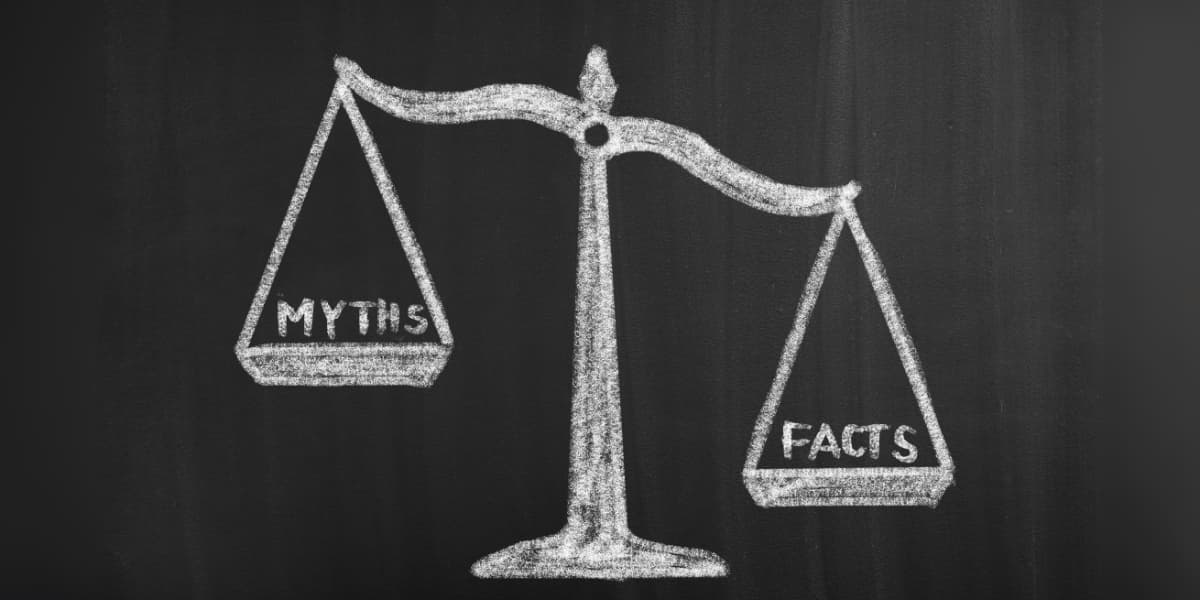
In today’s world, the pursuit of weight loss and a healthy lifestyle is often clouded by a plethora of myths and misconceptions. Understanding the reality behind these myths is essential for anyone trying to lose weight effectively and sustainably. This article aims to debunk ten common myths about weight loss and dieting practices, shedding light on how these misconceptions can impact dietary choices and contribute to obesity and other health issues.
Understanding Weight Loss Myths
Weight loss myths are widespread, often leading to confusion and ineffective dieting strategies. Many individuals believe that skipping meals or following a low-carb diet is the only way to lose weight. However, debunking weight loss myths for effective results is crucial, as these misconceptions about weight loss can be detrimental to achieving a healthy weight. Health experts emphasize that a balanced diet combined with regular exercise is essential. Recognizing and debunking these myths is the first step towards effective weight management and better overall health.
Defining Common Misconceptions
Common delusions about weight loss often revolve around the idea that certain foods or diets can magically help you lose weight. For instance, many believe that consuming high-fat foods, like those found in a keto diet, will lead to fat gain. In reality, understanding the role of calories, saturated fat, and whole grains is vital. The body needs a variety of nutrients, and a healthy diet should include an appropriate amount of carbs and fats to support metabolic functions.
The Impact of Myths on Diet Choices
Myths about weight loss significantly influence dietary choices, leading individuals to adopt fad diets that may not be sustainable. For example, many people think skipping breakfast will help them achieve weight loss faster, but this can lead to overeating later in the day. Such misunderstanding can result in unhealthy eating patterns that not only hinder weight loss efforts but may also increase the risk of type 2 diabetes and heart disease. Understanding dietary guidelines and focusing on nutrient-dense food options is essential for making informed choices.
How Myths Contribute to Obesity
Misconceptions about weight loss can also contribute to the growing obesity epidemic. When individuals pursue misleading information, they may engage in unhealthy practices that lead to weight increase rather than loss. For example, believing that certain weight loss products can replace a balanced diet can result in inadequate calorie intake and nutrient deficiencies. This cycle of misinformation fuels obesity and increases the prevalence of related health conditions, such as hypertension and high cholesterol levels, emphasizing the need for accurate information in weight loss discussions.
Top 10 Weight Loss Myths
1. Skipping Meals Helps You Lose Weight
One of the most pervasive myths about weight loss is the belief that skipping meals can aid in shedding pounds. Many people think that by reducing their calorie consumption through meal omission, they will lose weight faster. However, this misunderstanding often leads to overeating later in the day, resulting in a higher overall calorie intake. nutritionists advocate for a healthy diet, emphasizing that regular meals support metabolic functions and help maintain a healthy weight.
2. Low-Carb Diets are the Only Way to Lose Weight
The notion that low-carb diets are the singular solution for weight loss has gained considerable traction. While reducing carbs can lead to initial weight loss, it is not the only effective method for achieving a healthy weight. In fact, a well-rounded diet that includes whole grains and an appropriate amount of carbs is essential for overall health. Relying solely on low-carb diets can sometimes result in nutrient deficiencies and is not a sustainable long-term strategy for weight management.
3. Weight Loss Supplements are Effective for Weight Loss
Many individuals seeking to lose weight turn to weight loss products, believing they will provide a quick fix. However, the effectiveness of these supplements is often overstated. While there are some supplements for scientifically supported weight loss, most nutritionists agree that no pill can replace the benefits of a healthy diet and regular physical activity. Instead of relying on supplements, focusing on whole foods and maintaining a consistent exercise routine is the most reliable way to manage weight and promote lasting health benefits.
4. Fad Diets Provide Long-Term Solutions
Fad diets frequently promise quick results, luring individuals with the prospect of rapid weight loss. However, these diets often lack essential nutrients and are unsustainable in the long term. Following such diets can lead to cycles of fat gain and loss, further complicating weight management. To achieve lasting results, it's crucial to adopt a great diet that includes a variety of foods and promotes a balanced lifestyle, rather than relying on temporary fixes.
5. Eating Fat Makes You Gain Weight
The belief that eating fat automatically leads to weight increasing is a significant misunderstanding about weight loss. In reality, healthy fats, such as those found in avocados, nuts, and olive oil, are essential for the body’s functions and can actually support weight loss when consumed in moderation. Understanding the difference between saturated and unsaturated fats is vital. Incorporating healthy fats into your diet can enhance satiety, preventing overeating and aiding in maintaining a healthy weight.
6. You Can Lose Weight Faster by Exercising More
While physical activity is crucial for weight management, many people mistakenly believe that exercising more will always lead to faster weight loss. Over-exercising can lead to fatigue and increased calorie intake due to heightened hunger. Instead, a balanced approach that includes both diet and exercise is essential. Engaging in regular workout combined with mindful eating habits is the best way to achieve and maintain an ideal weight effectively.
7. Cholesterol in Foods Leads to Weight Gain
Another common myth is the belief that dietary cholesterol directly contributes to weight gain. However, recent research indicates that the body’s cholesterol levels are influenced more by overall diet and lifestyle rather than the cholesterol content in food. A great diet that includes whole foods, even those high in cholesterol, can be part of a weight loss strategy. Understanding this can help individuals make informed dietary choices without the fear of unhealthy weight increase.
8. Breakfast is the Most Important Meal to Lose Weight
While it's often touted that breakfast is the most important meal of the day, this assertion can be misleading. Skipping breakfast may not necessarily hinder weight loss if it helps control overall calorie intake throughout the day. The key lies in individual dietary needs and preferences. For some, a nutritious breakfast can help prevent overeating later, while others may find success with intermittent fasting. Ultimately, understanding personal hunger cues is essential for effective weight management.
9. All Calories are Created Equal
The idea that all calories are created equal is a simplification that can mislead those trying to lose weight. While calorie intake is crucial, the source of those calories matters significantly. Consuming calories from nutrient-dense food provides essential nutrients that regulate metabolism and satiety, while processed foods can lead to fat gain without offering nutritional benefits. Focusing on a healthy diet rich in whole grains, protein, and healthy fats is key to effective weight loss.
10. Whole Foods Don't Help You Lose Weight
Many people mistakenly believe that whole foods do not support weight loss efforts. In fact, nutrient-dense food, such as fruits, vegetables, and lean proteins, are foundational to a good diet. They are typically lower in calories and higher in nutrients compared to processed foods, making them beneficial for weight control. By incorporating more foods into their diets, individuals can not only lose weight but also improve their overall health, reducing the risk of chronic diseases like type 2 diabetes and heart disease.
Myths About Dieting Practices
The Role of Caloric Intake in Weight Loss
One of the most common myths about weight loss revolves around caloric intake. Many people believe that simply eating fewer calories will guarantee weight loss. However, this misconception overlooks the importance of the quality and source of those calories. Not all calories are created equal; consuming high-calorie foods that are low in nutrients can hinder progress towards a good weight. Health experts suggest focusing on a good diet rich in nutrient-dense food, which provide essential nutrients that support metabolic functions. Therefore, understanding how to manage caloric intake alongside a nutritious diet is crucial for effective weight control and long-term health.
Understanding Carbohydrates and Weight Gain
A prevalent myth is that carbohydrates are solely responsible for weight gain. This misunderstanding often leads individuals to adopt low-carb diets, fearing that any carbohydrate consumption will derail their weight loss efforts. In reality, carbs are a vital source of energy, and the body requires them for optimal functioning. The key lies in choosing the right types of carbs, whole grains, fruits, and vegetables over processed options. Additionally, moderation is essential. When incorporated into a balanced diet, carbs can help maintain a good weight without contributing to obesity or other related health issues.
Physical Activity: More Than Just Exercise
Another delusion is that physical activity is limited to structured exercise routines. While exercise plays a significant role in weight loss, daily activities also contribute to overall calorie expenditure. Engaging in regular exercise, such as walking, gardening, or playing with children, can significantly enhance weight management efforts. Furthermore, combining various forms of movement with a balanced diet can amplify health benefits and promote sustainable weight loss. Understanding that all forms of workout contribute to weight loss can help individuals create a more active lifestyle, reducing the risk of obesity and associated health problems like type 2 diabetes and heart disease.
Effective Strategies for Weight Loss
Implementing a Balanced Diet
To achieve effective weight loss, implementing a balanced diet is crucial. A good diet includes a variety of foods that provide essential nutrients without excessive calories. While some might consider fat burners that work for weight loss as a quick solution, health experts recommend consuming nutrient-dense food, such as fruits, vegetables, lean proteins, and whole grains, which not only help you lose weight but also reduce the risk of obesity and related health issues like type 2 diabetes and heart disease. Understanding the importance of calorie intake is vital; rather than focusing solely on cutting calories, one should prioritize nutrient-dense foods that satisfy hunger and promote satiety. By making informed dietary choices, individuals can effectively manage their body weight and maintain a healthy lifestyle.
Incorporating Physical Activity into Daily Life
Incorporating physical activity into daily life is a significant aspect of effective weight control. Regular exercise is not just about structured workouts; it can encompass everyday activities like walking, gardening, or even playing with children. Engaging in various forms of movement can increase calorie expenditure and promote an ideal weight. Additionally, combining workout with a good diet enhances the potential for weight loss and helps in maintaining that weight over time. Health experts suggest finding enjoyable activities to make sports activity a sustainable part of life. By embracing a more active lifestyle, individuals can reduce the risk of obesity and prevent chronic conditions.
Staying Informed: Combatting Myths with Facts
Staying informed and combatting myths with facts is essential in the journey of trying to lose weight. Utilizing a reliable guide to understanding weight loss myths can prevent individuals from adopting ineffective or unhealthy practices, such as fad diets that promise quick results. It's important to understand that not all calories are created equal, and what matters is the quality of the food consumed. By educating oneself on dietary guidelines and the role of carbohydrates, fats, and proteins, individuals can make better choices that support their weight loss goals. Awareness of the myths surrounding losing weight helps in developing effective strategies that promote a good diet and healthy lifestyle, ultimately leading to long-term success in weight control.
How do you rate this blog?
You might also like

Sleep and Weight Loss: The Relationship Between Healthy Sleep and Weight Management
Have you ever wondered how improving your sleep can help you lose weight? Everyone knows that diet a...

Essential Guide to Vitamins and Weight Loss: Boosting Your Journey Naturally
Embarking on a weight loss journey can feel daunting, as it often involves making significant change...

Effective 7-Day Meal Plan for Weight Loss
Embarking on a weight loss journey can feel challenging, but with the right meal plan, it becomes mo...