
Best Vitamin D Supplements in 2026
Vitamin D plays a crucial role in overall health, from supporting the immune system to aiding in calcium absorption for bone strength. With low vitamin D levels linked to various health issues, understanding the nuances of vitamin D supplementation is more important than ever. This article provides an overview of ten vitamin D products, their pros and cons, guidance on how to choose the best supplement for your needs, and the significance of maintaining adequate vitamin D levels through diet and sunlight exposure.
10 Best Vitamin D Supplements
1. Oh My Oh! Calcium With D3

Overview: Oh My Oh! Calcium With D3 is a comprehensive supplement that combines calcium and vitamin D3 to support bone health. The inclusion of vitamin D3 enhances calcium absorption, making it an effective option for those looking to strengthen their bones.
Pros:
- Combines calcium and vitamin D3 for synergistic effects.
- May help in maintaining bone density.
- Suitable for individuals at risk of osteoporosis.
Cons:
- May not be suitable for those with high calcium levels.
- Requires monitoring to avoid excessive calcium intake.
2. Garden of Life Vitamin Code Raw D3
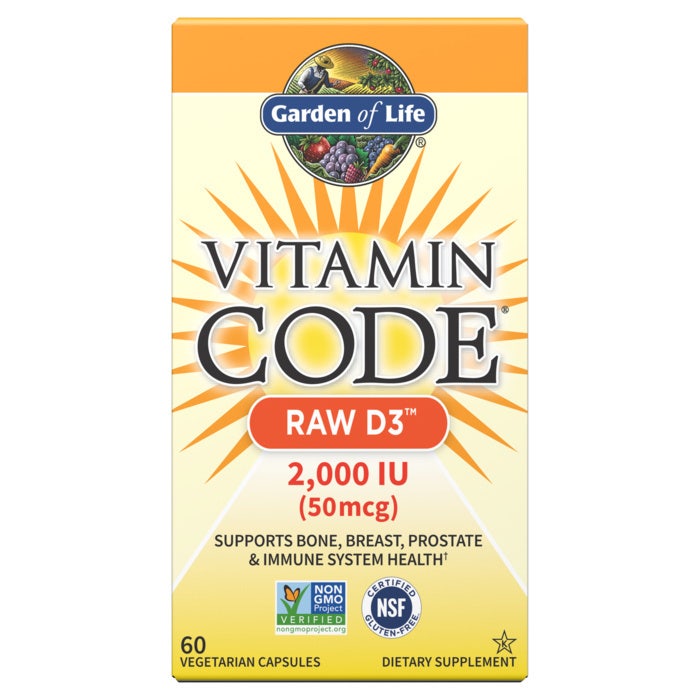
Overview: Garden of Life Vitamin Code Raw D3 provides vitamin D3 derived from whole food sources. It supports bone, breast, prostate, and immune system health. The "raw" designation means it is produced below 115º F and contains live probiotics and enzymes.
Pros:
- Whole food-derived vitamin D3.
- Non-GMO, gluten-free, and vegetarian-friendly.
- Includes live probiotics and enzymes for digestive support.
Cons:
- Higher price point compared to synthetic options.
- Capsules may be large for some individuals.
3. Laperva Calcium Plus Vitamin D3
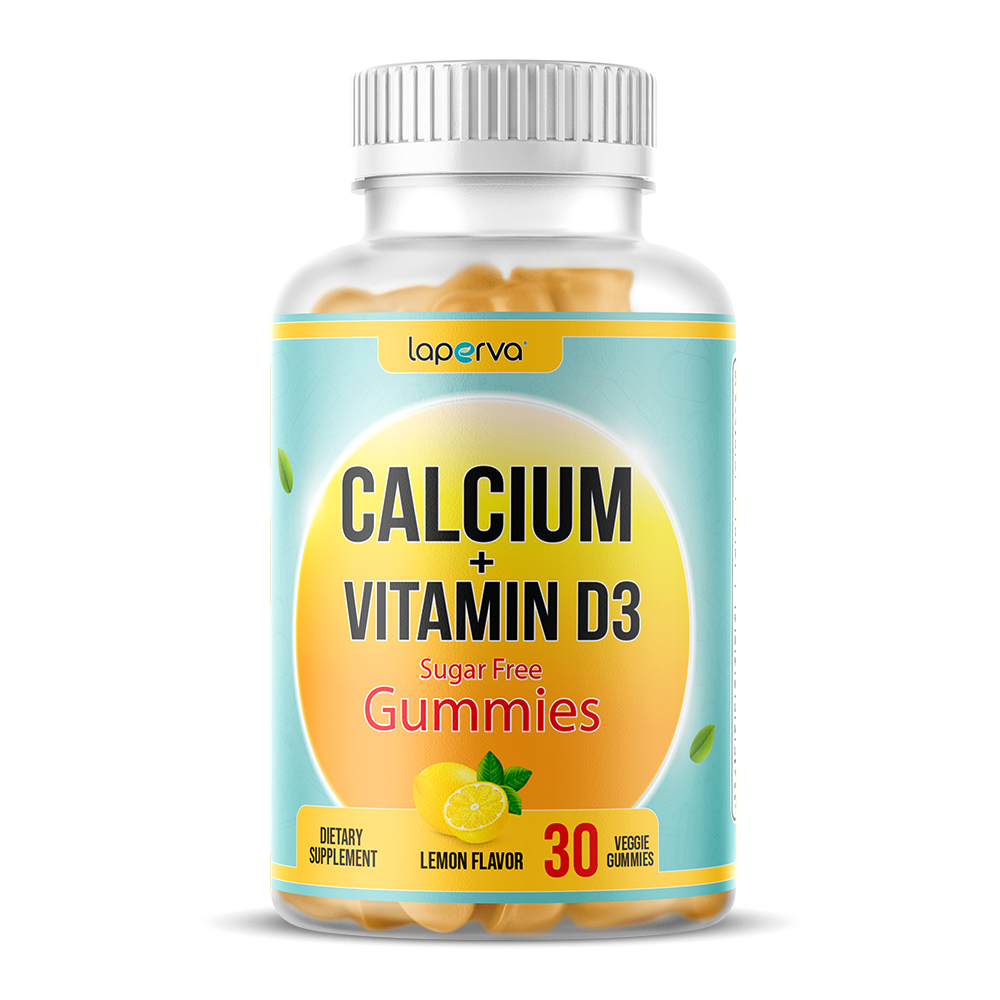
Overview: Laperva Calcium Plus Vitamin D3 is designed to promote bone and teeth health by combining essential nutrients. The vitamin D3 component enhances calcium absorption, ensuring optimal utilization in the body.
Pros:
- Synergistic blend of calcium and vitamin D3.
- May reduce the risk of bone-related conditions.
- Suitable for adults and seniors needing extra bone support.
Cons:
- Not ideal for those with adequate dietary calcium.
- Potential risk of excessive calcium if not monitored.
4. Source Naturals Vitamin D-3

Overview: Source Naturals Vitamin D-3 offers a potent dose of vitamin D3 to support bone and immune health. It's designed for individuals needing to elevate their vitamin D levels efficiently.
Pros:
- High-potency vitamin D3.
- Supports immune system function.
- Suitable for those with vitamin D deficiencies.
Cons:
- High dosage may not be necessary for everyone.
- Consultation with a healthcare provider recommended before use.
5. Applied Nutrition Vitamin D

Overview: Applied Nutrition Vitamin D provides vitamin D3 in liquid soft-gel form for enhanced absorption. It aims to support bone health, immune function, and overall well-being.
Pros:
- Liquid soft-gels for better absorption.
- Easy-to-swallow capsules.
- May support mood regulation.
Cons:
- Contains gelatin, not suitable for vegetarians or vegans.
- May include additional ingredients like soy.
6. Now Vitamin D-3 Extra Strength
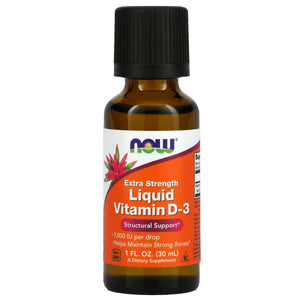
Overview: Now Vitamin D-3 Extra Strength delivers a high-potency dose of vitamin D3 to support the immune system and bone health. NOW Foods is known for quality supplements at affordable prices.
Pros:
- Extra strength formula for those needing higher doses.
- Non-GMO and quality assured.
- Economical pricing.
Cons:
- High dosage requires careful monitoring to prevent overdose.
- Not suitable for individuals who prefer lower dosages.
7. Optitect Vitamin D3

Overview: Optitect Vitamin D3 is formulated to maintain optimal vitamin D levels, supporting bone and immune health. It's suitable for daily use to promote overall wellness.
Pros:
- Provides a standard daily dose of vitamin D3.
- May improve energy levels and mood.
- Free from common allergens.
Cons:
- Limited availability in some regions.
- Lacks additional nutrients like calcium or magnesium.
8. Life Extension Vitamins D and K with Sea-Iodine

Overview: Life Extension combines vitamins D3 and K with Sea-Iodine™ to support bone, immune, and thyroid health. Vitamin K ensures proper calcium distribution in the body.
Pros:
- Synergistic blend enhances calcium utilization.
- Supports cardiovascular and thyroid health.
- Includes iodine derived from sea vegetables.
Cons:
- Not suitable for individuals on blood thinners due to vitamin K content.
- Higher cost due to the comprehensive formula.
9. Laperva Vitamin D3
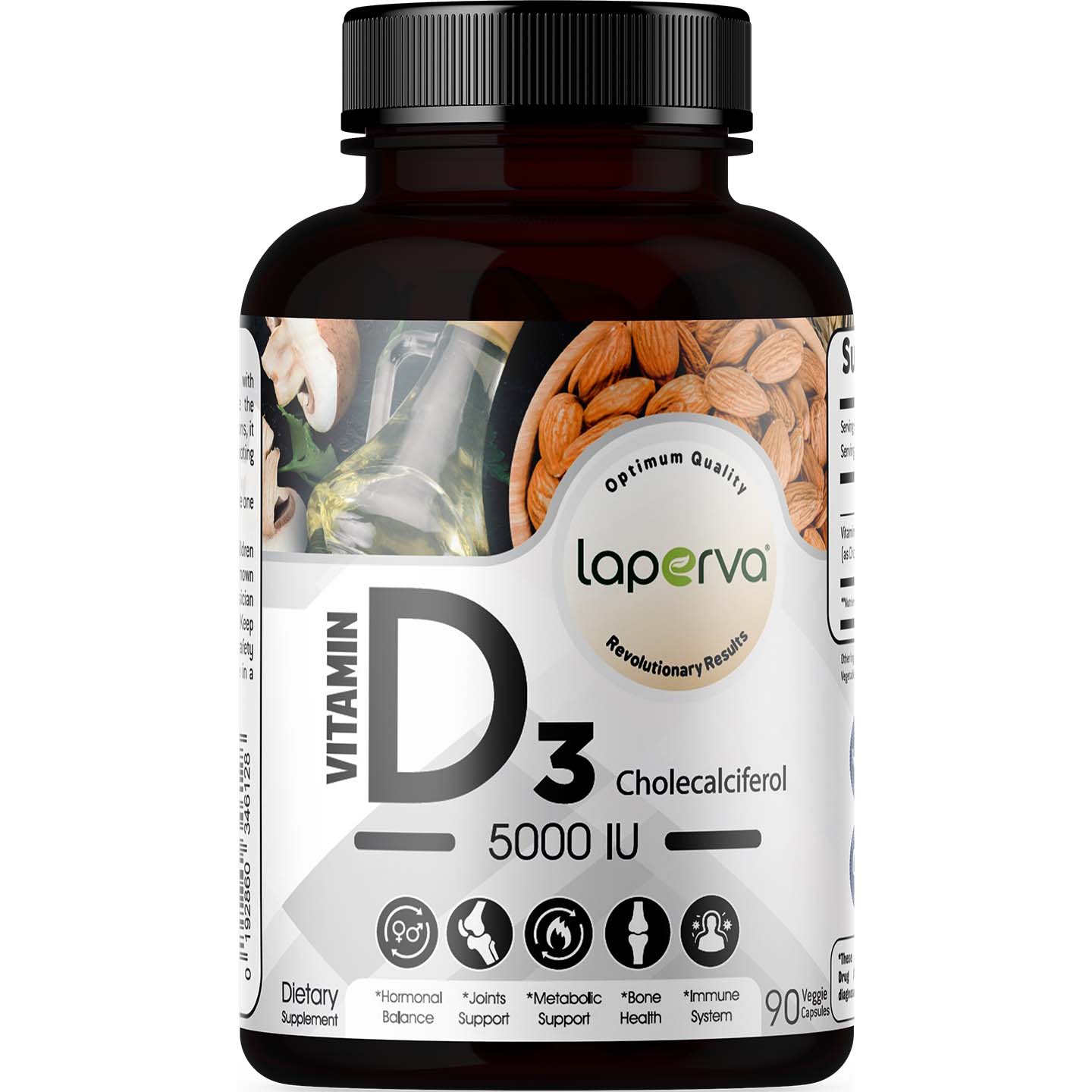
Overview: Laperva Vitamin D3 provides pure vitamin D3 to support bone and immune health. It's ideal for individuals seeking a straightforward vitamin D supplement without additional ingredients.
Pros:
- High-quality vitamin D3.
- Suitable for daily supplementation.
- Free from unnecessary additives.
Cons:
- Does not include other supportive nutrients.
- Availability may be limited outside certain regions.
10. Laperva Vitamin D3 Gummies
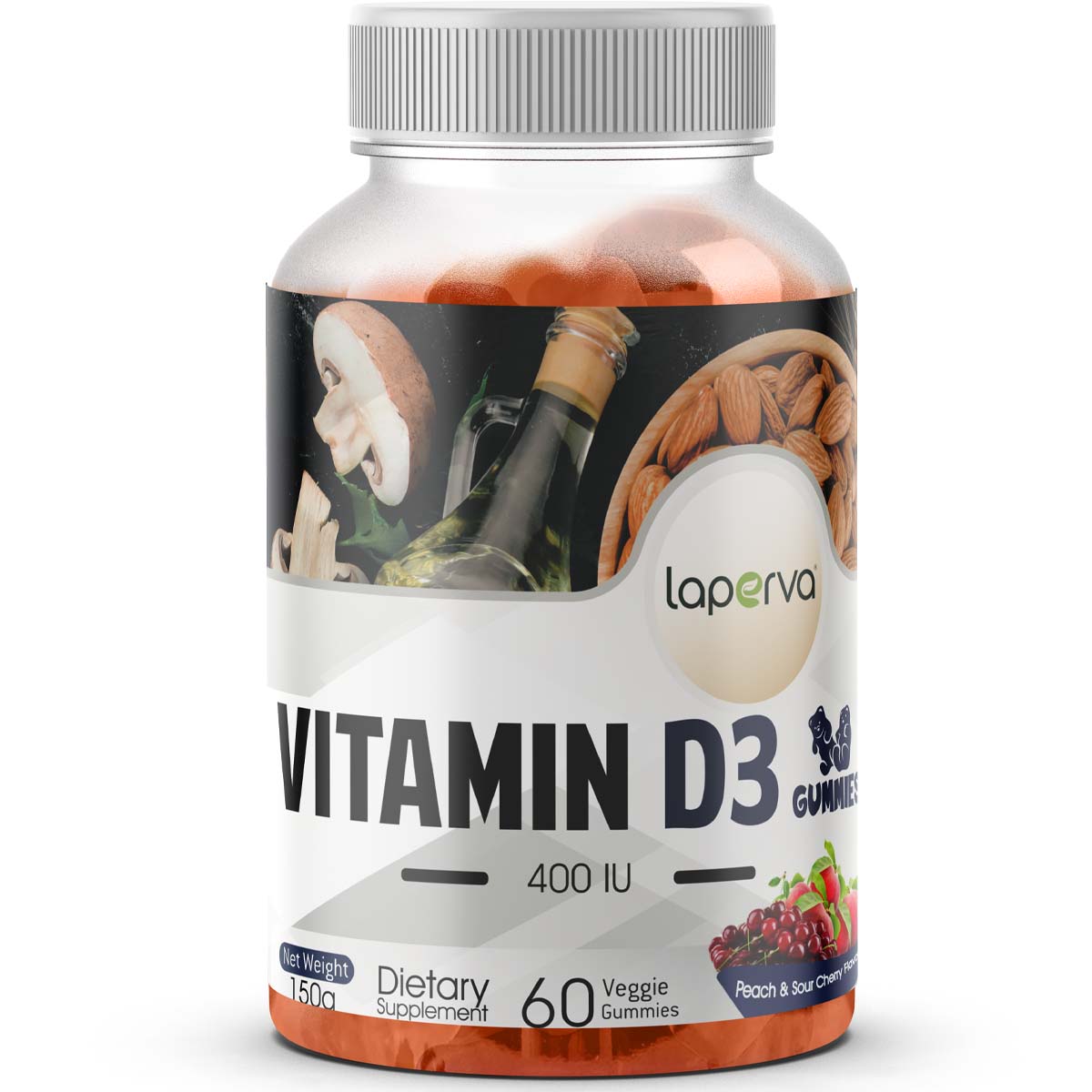
Overview: Laperva Vitamin D3 Gummies offer a tasty and convenient way to supplement vitamin D, ideal for those who dislike swallowing pills.
Pros:
- Pleasant-tasting gummies.
- Easy to consume for both adults and children.
- Free from artificial colors and flavors.
Cons:
- Contains sugar; may not be suitable for those monitoring sugar intake.
- Lower dosage per gummy may require consuming multiple gummies daily.
How to Choose
Selecting the right vitamin D supplement involves considering several factors:
-
Form of Vitamin D: Vitamin D3 (cholecalciferol) is generally more effective at raising and maintaining vitamin D levels than D2 (ergocalciferol). Most supplements use vitamin D3 due to its superior bioavailability.
-
Dosage: The recommended daily allowance varies depending on age, health status, and sun exposure. Adults typically require 600–800 IU per day, but some may need higher doses. Consult a healthcare professional to determine your specific vitamin D intake.
-
Additional Nutrients: Some supplements include calcium, vitamin K, or iodine, which can offer added health benefits. Consider whether you need these additional nutrients based on your diet and health goals.
-
Delivery Method: Vitamin D supplements come in various forms, including tablets, capsules, soft-gels, liquids, and gummies. Choose a form that suits your preference and makes adherence easier.
-
Dietary Restrictions: Check for allergens and dietary considerations such as gluten-free, non-GMO, vegetarian, or vegan certifications.
-
Quality and Purity: Opt for products from reputable brands that undergo third-party testing to ensure quality and purity. Look for certifications or seals of approval.
-
Price and Availability: While cost is a factor, it shouldn't compromise quality. Consider the price per serving and the product's availability in your region.
Conclusion
Vitamin D is an essential nutrient that plays a vital role in numerous bodily functions, including bone health and immune support. Maintaining healthy vitamin D levels can have profound effects on overall well-being, especially as vitamin D deficiency becomes more prevalent due to lifestyle and environmental factors.
When choosing a vitamin D supplement, consider your individual needs, dietary restrictions, and health goals. Consult with a healthcare professional to determine the appropriate dosage and to address any potential interactions with medications or health conditions.
By making an informed decision, you can select a vitamin D supplement that supports your health effectively, helping you enjoy the myriad benefits this essential nutrient has to offer.
For a comprehensive understanding of vitamin D sources and benefits, choosing a product that fits your specific needs is essential. If you're interested in learning more about vitamins, our Essential Guide to Vitamins can provide further insights.
Frequently Asked Questions
What is the best form of vitamin D to take?
The best form of vitamin D to take is vitamin D3 (cholecalciferol), as it's more effective at raising and maintaining vitamin D levels in the body compared to D2.
Which supplement is best for vitamin D?
For supplements, vitamin D3 in softgel or liquid form is generally recommended for better absorption.
Is it OK to take vitamin D supplements every day?
Yes, it's OK to take vitamin D supplements daily, but it's best to follow a healthcare provider's guidance for the proper dosage based on individual needs.
How do you rate this blog?
You might also like

The Ultimate Guide to Whey Protein: Types, Benefits, Dosage, and More
Whey protein has cemented its position as one of the most popular protein supplements in the fitness...
Weight Loss Gummies: What You Need to Know
In a world where achieving weight loss goals is a common challenge, many individuals are turning to ...
Important Vitamins for Muscle Growth
Whether you're an avid bodybuilder, a fitness enthusiast, or someone simply looking to improve your ...