How Exercise Helps You Lose Weight: The Role of Physical Activity in Weight Loss
In our constantly evolving and fast-paced world, efforts to achieve and maintain a healthy weight have become a common goal amongst a broad spectrum of individuals. While weight loss is frequently linked to restrictive diets, it's essential to comprehend the instrumental role that exercise plays in weight management. Regular physical activity not only assists in shedding weight but also mitigates the risk of various health complications such as obesity, type 2 diabetes, and cardiovascular disease. In this enriching article, we will delve deeper into the myriad benefits of exercise, discuss different workout types, and provide practical tips to keep you on the path of long-term weight management and holistic health.
Benefits of Exercise for weight loss
Exercise forms a crucial component of any weight loss plan and extends its health benefits way beyond the bathroom scale. Here are some of the remarkable advantages of weaving regular physical activity into the fabric of your life:
- Accelerates Weight Loss: Regular participation in sports activities, such as running or gym workouts, can significantly enhance your weight loss efforts. Weight loss through exercise involves both aerobic activities and resistance training, which contribute to burning more calories than you would when living a sedentary lifestyle, thereby helping create the calorie deficit crucial for effective weight loss.
- Improves Metabolism: Frequent exercise stokes up your basal metabolic rate. As a result, your body learns to burn calories efficiently even when at rest. Muscle is more metabolically active than fat, making strength training an indispensable part of any fitness regimen.
- Enhances Mood: fitness activities stimulates the brain to release endorphins, powerful chemicals that alleviate feelings of anxiety and depression. A consistent exercise routine can thus contribute greatly to mental health and emotional wellbeing.
- Reduces Health Risks: Regular workouts can help lower the risk of various life-threatening diseases, including but not limited to type 2 diabetes, cardiovascular disease, and some forms of cancer. It can help regulate blood pressure, manage cholesterol levels, and strengthen overall cardiovascular health.
- Improves Sleep and Energy Levels: Individuals engaging in regular sports activities often experience superior sleep quality and exhibit higher energy levels throughout the day. This surge in energy can translate into enhanced productivity and a greater adherence to healthy habits.
- Supports Long-term Weight Maintenance: Research indicates a strong correlation between continuous sports activities and long-term weight loss maintenance. Participating in programs designed for exercise-based weight loss can help individuals successfully sustain weight loss, as they encourage incorporating regular exercise into everyday routines.
Types of Exercise
Understanding different forms of exercise can help tailor a balanced fitness routine, aligned with your weight loss goals. Here's a rundown on some effective options:
Aerobic Exercise
Activities such as brisk walking, running, cycling and swimming are aerobic exercises that help in calorie burn and cardiovascular health improvement. The current physical activity guidelines recommend around 150 minutes of moderate-intensity aerobic activity each week.
Vigorous Exercise
Vigorous exercises like High-Intensity Interval Training (HIIT) and sports like soccer or basketball can burn more calories in a shorter period. They are especially beneficial for those looking to maximize energy expenditure.
Strength Training
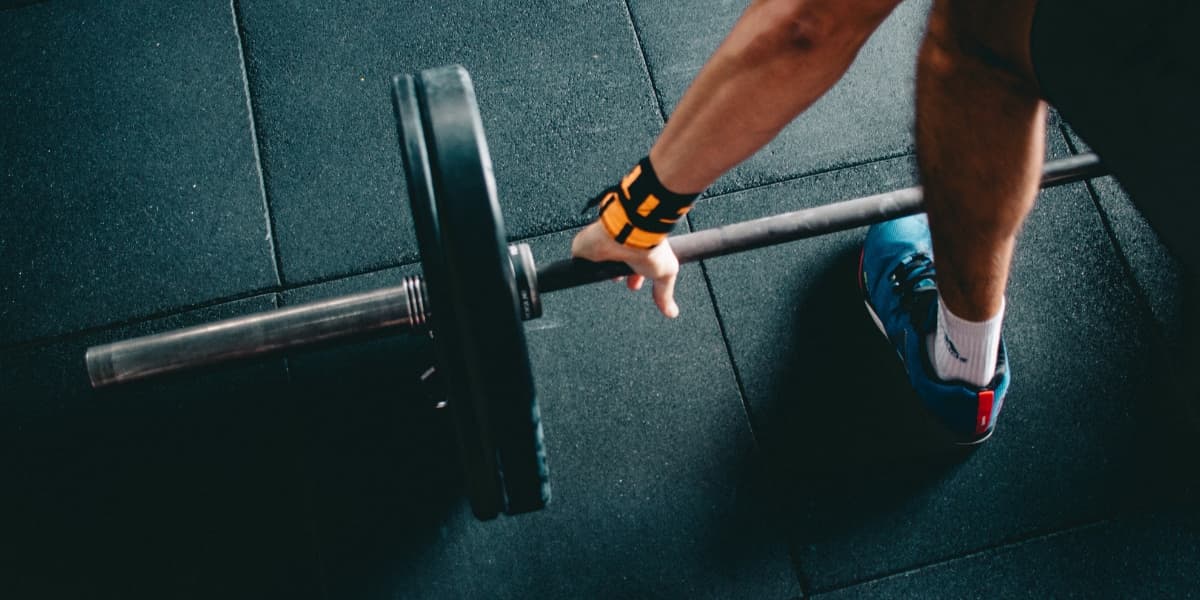
Strength exercises like weightlifting or bodyweight exercises aid in building muscle mass, which is crucial for enhancing metabolism and promoting weight loss. Some individuals may consider using fat burners to accelerate exercise results, but it's essential to focus on incorporating strength training exercises that target all major muscle groups at least twice a week to significantly improve body composition.
Flexibility and Balance Training
Flexibility exercises like stretching and balance exercises, such as yoga and Pilates, may not directly impact weight loss, but they do enhance overall fitness and help prevent injuries, thereby enabling you to stay active and exercise regularly.
Combining Different Types of Exercise
A weight loss program that encompasses a mix of aerobic, resistance, and flexibility exercises is typically most effective. While engaging in these activities, some individuals may choose to include supplements to support weight loss through exercise, but it's important to focus on a balanced approach. Such balance not only maximizes calorie burn but also promotes holistic health by organizing workouts to build both stamina and strength.
Conclusion
Exercise is more than just a tool to assist in weight loss. It's a conduit to better health and wellbeing. The health advantages exercise offers ranging from an improved metabolism, decreased disease risk to a positive mood are all reminders of the significance of incorporating regular fitness activities in our everyday lives.
Consistency is a key player in determining the effectiveness of your fitness regimen, irrespective of whether you choose aerobic exercise, strength training, or a blend of different ones. A balanced exercise program, coupled with a healthy diet, forms the bedrock of sustainable weight loss.
Listening to your body, taking up workout sessions that resonate with you, and consulting health professionals or fitness trainers for guidance are all pivotal in your fitness journey. By adopting an active lifestyle, you’ll unearth the boundless rewards of exercise and successfully manage your weight, while improving your overall health. As you journey towards weight loss, armed with this guide's insights, remember to set realistic goals, track your progress, body weight and utilize the transformative power of exercise to impact your life positively.
Frequently Asked Questions
Can you lose weight just by exercising?
Yes, you can lose weight by exercising, but combining exercise with a healthy diet is more effective. To lose weight and keep it off, both exercise routines and a balanced diet are essential, especially for those who are overweight.
What type of exercise is best for weight loss?
Cardio exercises like running, cycling, and swimming are great for burning calories, while strength training helps build muscle and boosts metabolism. A combination of both cardio and strength training is best to lose weight and maintain it.
How do you rate this blog?
You might also like

Sleep and Weight Loss: The Relationship Between Healthy Sleep and Weight Management
Have you ever wondered how improving your sleep can help you lose weight? Everyone knows that diet a...

Essential Guide to Vitamins and Weight Loss: Boosting Your Journey Naturally
Embarking on a weight loss journey can feel daunting, as it often involves making significant change...

Effective 7-Day Meal Plan for Weight Loss
Embarking on a weight loss journey can feel challenging, but with the right meal plan, it becomes mo...