Running for Weight Loss: Your Path to a Healthier You
Are you looking to lose weight and improve your overall health? Running is a powerful tool that can help you achieve your goals. As a form of aerobic exercise, running is an excellent way to burn calories and reduce body fat. Whether you're a seasoned runner or just starting out, incorporating running into your routine can help you lose weight and transform your body.
Health Benefits of Running
Running offers a myriad of health benefits that extend beyond weight loss. Here are some of the most significant advantages:
Cardiovascular Health
- Heart Strengthening: Running helps to strengthen the heart muscle, improving its ability to pump blood more efficiently throughout the body.
- Improved Circulation: Regular running enhances blood flow, reducing the risk of blood clots and promoting better oxygen delivery to tissues.
- Reduced Risk of Heart Disease: Engaging in running can lower blood pressure and cholesterol levels, significantly reducing the risk of heart disease.
Metabolic Health
- Enhanced Metabolism: Running boosts your metabolism, helping you burn calories more effectively even when at rest.
- Type 2 Diabetes Prevention: Regular physical activity like running improves insulin sensitivity and helps regulate blood sugar levels, reducing the risk of developing type 2 diabetes.
Mental Health
- Mood Enhancement: Running releases endorphins, often referred to as "runner's high," which can improve your mood and provide a sense of well-being.
- Stress Reduction: Physical activity, including running, helps to reduce levels of the body's stress hormones, such as adrenaline and cortisol.
- Improved Sleep: Regular running can help regulate your sleep patterns, leading to better quality sleep and overall mental health.
Musculoskeletal Health
- Bone Density Improvement: Weight-bearing exercises like running stimulate bone growth and can help prevent osteoporosis.
- Muscle Strengthening: Running engages various muscle groups, particularly in the legs and core, leading to stronger and more toned muscles.
- Joint Health: Contrary to popular belief, running can improve joint health by strengthening the muscles around the joints and increasing flexibility.
Weight Management
- Calorie Burning: Running is one of the most efficient ways to burn calories, helping you maintain a healthy weight or lose excess pounds.
- Fat Reduction: Regular running helps to reduce body fat, particularly visceral fat, which is linked to many chronic diseases.
Immune System Boost
- Enhanced Immune Function: Regular running can boost your immune system, making you less susceptible to common illnesses like colds and the flu.
Longevity
- Increased Lifespan: Studies have shown that regular runners tend to live longer, healthier lives compared to non-runners.
By incorporating running into your routine, you can experience these health benefits and improve your overall quality of life. Whether you're running for weight loss, cardiovascular health, or mental well-being, the advantages of this form of exercise are extensive and well-documented.
Getting Started with Running
Starting a running routine can be an exciting journey towards better health and fitness. Here are some steps to help you get started:
Begin Slowly
- Short Distances: Start with short distances to avoid overexertion and injury. Aim for a manageable distance that allows you to build endurance gradually.
- Gradual Increase: Gradually increase your running distance and pace over time. This approach helps your body adapt to the new exercise routine and reduces injuries.
Invest in Proper Gear
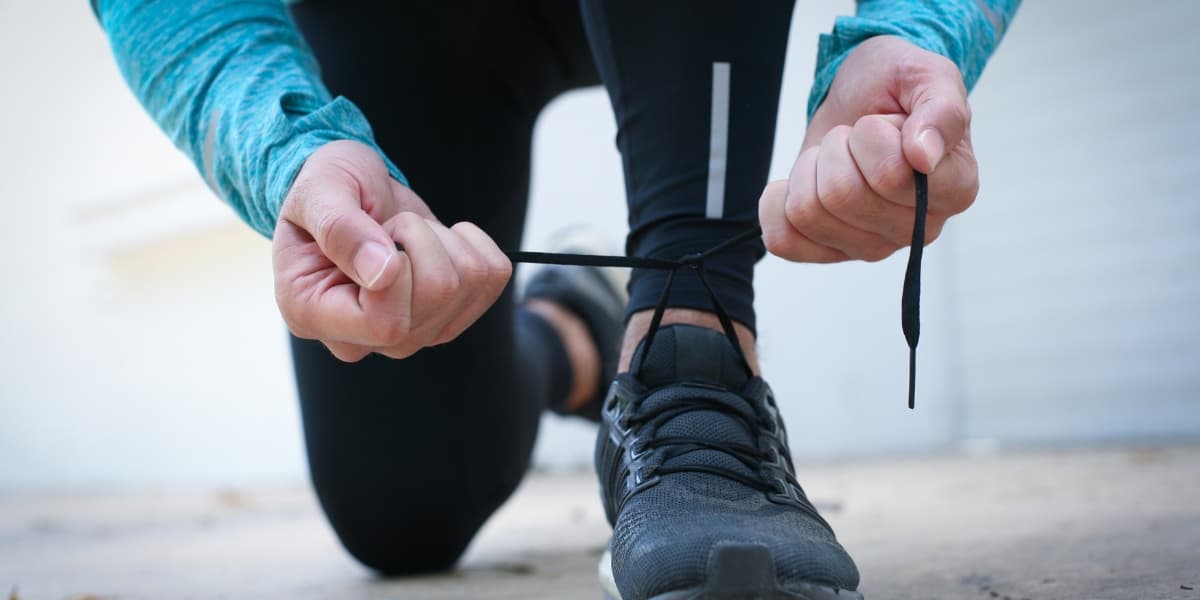
- Running Shoes: Investing in a good pair of running shoes is essential. Proper footwear provides the necessary support and cushioning, reducing the risk of injuries like shin splints and plantar fasciitis.
- Comfortable Clothing: Wear comfortable, moisture-wicking clothing to keep you dry and comfortable during your runs. Consider weather-appropriate gear, such as hats, gloves, and breathable fabrics.
Create a Running Plan
- Consistent Schedule: Establish a running schedule that fits your lifestyle. Consistency is key to developing a sustainable running habit. Aim to run at least three times per week.
- Set Realistic Goals: Set achievable goals to keep yourself motivated. Start with short-term goals, such as running for a specific duration or distance, and gradually work towards longer-term objectives.
By following these steps, you can ensure you're adhering to best practices for using running to lose weight effectively and safely.
Warm Up and Cool Down
- Warm-Up Routine: Begin each run with a warm-up routine to prepare your muscles and joints for the workout. Dynamic stretches and light jogging can help increase blood flow and reduce injuries.
- Cool-Down Routine: After your run, take time to cool down with static stretches. Stretching helps improve flexibility, reduce muscle soreness, and prevent stiffness.
Focus on Form
- Proper Running Form: Maintain good running form to prevent injuries. Keep your back straight, shoulders relaxed, and arms swinging naturally at your sides. Land softly on your feet to reduce impact.
- Breathing Techniques: Practice proper breathing techniques to maximize oxygen intake and improve endurance. Inhale deeply through your nose and exhale through your mouth in a rhythmic pattern.
Running Workouts
There are various types of running workouts that can help you achieve your weight loss and fitness goals. Incorporating a mix of these workouts can keep your routine exciting and effective.
Jogging
- Steady-Paced Run: it is a steady-paced run that is ideal for beginners. It helps build endurance and prepares your body for more intense workouts.
- Building Endurance: Start with short jogs and gradually increase your duration and distance. it regularly can improve cardiovascular fitness and stamina.
Interval Running
- High-Intensity Bursts: Interval running involves alternating between high-intensity bursts and recovery periods. This workout is excellent for maximum calorie burn and improving speed.
- Structured Intervals: For example, sprint for 30 seconds and then walk or jog for one minute. Repeat this cycle for 20-30 minutes to effectively boost your metabolism.
Long Runs
- Endurance Building: Long runs are crucial for increasing your endurance and building mental toughness. Aim for a steady, comfortable pace that you can maintain over a longer distance.
- Gradual Increase: Gradually increase your long run distance each week to challenge your body and improve overall endurance. Long runs are also great for exploring new routes and scenery.
High-Intensity Interval Training (HIIT)
- Short, Intense Efforts: HIIT involves short, intense bursts of effort followed by brief recovery periods. This type of training is effective for burning fat and increasing cardiovascular fitness.
- Efficient Workouts: HIIT workouts are typically shorter in duration but very effective. For example, you can do 20 seconds of all-out sprinting followed by 40 seconds of walking, repeated for 15-20 minutes.
HIIT can be an effective part of programs designed for weight loss through exercise, offering efficient workouts that burn calories quickly.
Additional Tips for Weight Loss with Running
To maximize your weight loss results, consider these tips:
- Combine running with strength training: Building muscle mass can help boost your metabolism.
- Prioritize nutrition: A balanced diet is essential for supporting your weight loss journey.
- Stay hydrated: Drinking plenty of water is crucial for optimal performance and recovery.
- Get enough sleep: Adequate sleep helps regulate hormones that affect appetite and metabolism.
- Listen to your body: Avoid overtraining and take rest days when needed.
- Consider using supplements to enhance running results: Certain supplements, when used responsibly, can support energy levels and recovery. Always consult a healthcare professional before starting any new supplement.
Common Running Mistakes to Avoid
To prevent injuries and maximize your progress, avoid these common running mistakes:
- Ignoring proper form: Running with poor form can lead to injuries.
- Overtraining: Pushing yourself too hard can lead to burnout and injuries.
- Neglecting cross-training: Incorporate other forms of exercise to prevent overuse injuries.
- Ignoring nutrition: Fueling your body with the right nutrients is essential for recovery. While some may consider fat burners to complement active routines, it's important to focus on a balanced diet for optimal results.
Conclusion
Running is a powerful tool for weight loss and overall health. By incorporating running into your routine and making necessary lifestyle changes, you can achieve your weight loss goals and enjoy the many benefits of this fantastic form of exercise. Remember, consistency is key. Start small, set realistic goals, and gradually increase your running distance and intensity. With dedication and perseverance, you can transform your body and improve your life through running.
Frequently Asked Questions
Can I lose weight by running 30 minutes?
Yes, running for 30 minutes can help you lose weight by burning calories and improving your metabolism.
How to lose 10 kg by running?
To lose 10 kg through running, maintain a consistent running schedule, gradually increase your distance or intensity, and pair it with healthy eating habits. Consult a healthcare professional before starting any weight loss plan.
Is running 3 km a day enough to lose weight?
Running 3 km daily can contribute to weight loss when combined with a balanced diet.
How do you rate this blog?
You might also like

Sleep and Weight Loss: The Relationship Between Healthy Sleep and Weight Management
Have you ever wondered how improving your sleep can help you lose weight? Everyone knows that diet a...

Essential Guide to Vitamins and Weight Loss: Boosting Your Journey Naturally
Embarking on a weight loss journey can feel daunting, as it often involves making significant change...

Effective 7-Day Meal Plan for Weight Loss
Embarking on a weight loss journey can feel challenging, but with the right meal plan, it becomes mo...