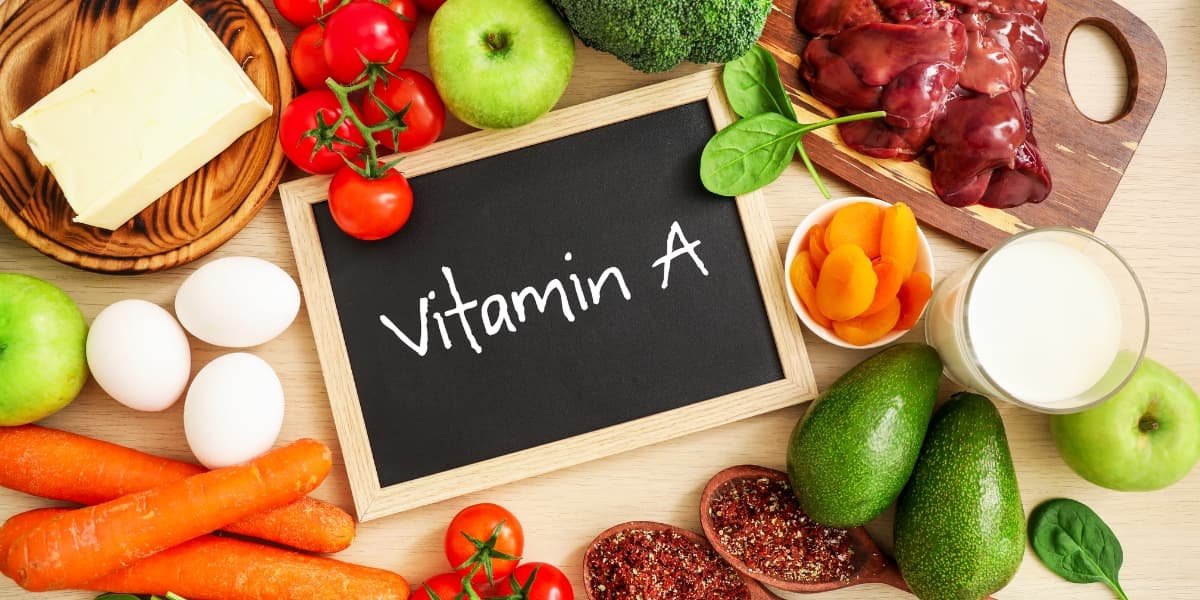
Vitamin A: All You Need To Know
Vitamin A is a fat-soluble vitamin that is essential for numerous bodily functions. This critical nutrient plays a key role in maintaining vision, supporting the immune system, and promoting skin health. Whether obtained from animal-based foods rich in preformed vitamin A (retinol) or plant-based sources containing provitamin A carotenoids like beta-carotene, ensuring adequate vitamin A intake is crucial for overall well-being. While deficiency of vitamin A is rare in developed countries, it can lead to serious health problems. Conversely, excessive intake, especially from supplements containing vitamin A, can result in vitamin A toxicity. Understanding the different forms of vitamin A and their benefits helps in making informed choices about diet and supplementation.
What Is Vitamin A?
Vitamin A is a group of fat-soluble retinoids, including retinol, retinal, and retinyl esters. As a fat-soluble vitamin, it dissolves in fats and is stored in the body's fatty tissues and liver. There are two primary forms of vitamin A:
-
Preformed Vitamin A (Retinol and Retinyl Esters): Found in animal products like liver, fish oils, eggs, and dairy products. This active form of vitamin A is readily used by the body.
-
Provitamin A Carotenoids (e.g., Beta-Carotene): Found in colorful fruits and vegetables. The body converts these compounds into the active form of vitamin A.
Vitamin A is needed for various functions, including:
- Vision: It plays a crucial role in maintaining normal vision, particularly night vision.
- Immune Function: Vitamin A helps maintain the integrity of mucous membranes and supports immune responses.
- Cell Growth and Differentiation: It is essential for normal cell growth and development, influencing the function of the heart, lungs, kidneys, and other organs.
- Skin Health: Vitamin A is also helping in maintaining a healthy skin and mucous membranes.
Benefits of Vitamin A
Vision Support
Vitamin A is vital for the formation of rhodopsin, a pigment in the retina that helps the eyes see in low-light conditions. Adequate vitamin A intake prevents night blindness and vitamin a may reduce the risk of age-related macular degeneration.
Immune Function
Vitamin A helps regulate the immune system by supporting the production and function of white blood cells, which help capture and clear bacteria and other pathogens from your bloodstream. This vitamin also helps maintain mucous barriers in the eyes, lungs, and gut.
Cell Growth and Development
Vitamin A plays an important role in cell differentiation, influencing the growth and development of cells. It is particularly crucial during pregnancy for fetal development, ensuring proper formation of organs and skeletal structures.
Skin Health
As a key nutrient for skin health, vitamin A helps maintain the integrity and function of skin cells. Topical retinol creams are often used to treat acne and reduce wrinkles by promoting collagen production and skin cell turnover. This shows the importance of understanding vitamin supplements and their applications.
Antioxidant Properties
Provitamin A carotenoids, such as beta-carotene, act as antioxidants. They help protect cells from damage caused by free radicals, potentially reducing the risk of chronic diseases like heart disease and certain cancers.
Vitamin A Deficiency
Symptoms
- Night Blindness: Difficulty seeing in low light or darkness.
- Dry Eyes (Xerophthalmia): Can lead to corneal ulcers and blindness.
- Skin Issues: Dry, scaly skin due to keratinization.
- Increased Infection Risk: Impaired immunity leading to frequent infections.
- Delayed Growth: In children, deficiency can lead to stunted growth.
Risk Factors
- Diet Low in Vitamin A: Insufficient intake from food sources, especially in developing countries.
- Fat Malabsorption Disorders: Conditions like celiac disease or pancreatitis can impair absorption of fat-soluble vitamins.
- Alcoholism: Chronic alcohol consumption can deplete vitamin A levels.
Vitamin A Deficiency in Children
Children are particularly susceptible to deficiency of vitamin A, which can lead to severe visual impairment and increased risk of mortality from infections like measles.
Vitamin A Toxicity
While vitamin A is essential, taking high amounts of vitamin A supplements can be harmful. it may occur from excessive intake of preformed vitamin A, not from provitamin A carotenoids.
Symptoms of Vitamin A Toxicity
- Acute Vitamin A Toxicity: Nausea, vomiting, headache, dizziness, blurred vision.
- Chronic Toxicity: Liver damage, bone abnormalities, hair loss, dry skin.
Risk of Vitamin A Toxicity
- Pregnancy: Excessive vitamin A during pregnancy can cause birth defects.
- Children and Infants: More sensitive to high doses due to smaller body size.
Recommended Dietary Intake
The Dietary Reference Intakes for Vitamin A (measured in micrograms of retinol activity equivalents, mcg RAE) are:
- Men (19+ years): 900 mcg RAE/day
- Women (19+ years): 700 mcg RAE/day
- Pregnant Women: 770 mcg RAE/day
- Breastfeeding Women: 1,300 mcg RAE/day
The Upper Intake Levels (maximum daily intake unlikely to cause adverse health effects):
- Adults: 3,000 mcg RAE/day
Food Sources of Vitamin A
Animal Sources (Preformed Vitamin A)
- Liver (Beef, Chicken): One of the richest sources; however, consumption should be moderated due to high levels.
- Fish Oils (Cod Liver Oil): Provides vitamin A and omega-3 fatty acids.
- Dairy Products (Milk, Cheese): Contains vitamin A and other nutrients like calcium.
- Eggs: A good source of vitamin A and protein.
Plant Sources (Provitamin A Carotenoids)
- Carrots: High in beta-carotene; supports eye health.
- Sweet Potatoes: One medium sweet potato can provide over 100% of daily vitamin A needs.
- Spinach and Kale: Leafy greens rich in beta-carotene.
- Red Bell Peppers: Also contain vitamin C and other antioxidants.
- Apricots and Mangoes: Provide beta-carotene and vitamin C.
Including a variety of these foods ensures a balanced dietary vitamin A intake.
Vitamin A Supplements
Vitamin A supplements are available in various forms, including retinol, retinyl acetate, retinyl palmitate, and beta-carotene. They may be used to prevent or treat deficiencies of vitamin A. Opting for the right supplement is part of understanding vitamin supplements and ensuring a balanced intake.
Considerations When Taking Vitamin A Supplements
- Consult a Healthcare Provider: Before starting any supplement, especially during pregnancy.
- Avoid Excessive Doses: Stick to recommended amounts to prevent toxicity.
- Combination with Other Nutrients: Vitamin A supplements are often combined with other vitamins and minerals to support a comprehensive vitamins approach.
Vitamin A During Pregnancy
While vitamin A is important for fetal development, pregnant women should be cautious with vitamin A supplements due to the risk of teratogenic effects from high doses.
Interactions and Precautions
Interactions with Other Nutrients
- Vitamin E: Helps prevent vitamin A depletion in the body.
- Vitamin C: Works synergistically with vitamin A for immune support.
- Zinc: Necessary for vitamin A metabolism; zinc deficiency can impair vitamin A function.
Medications
- Retinoids: Medications derived from vitamin A used to treat skin conditions; combining with supplements can increase toxicity risk.
- Oral Contraceptives: May increase vitamin A levels in the body.
Who Should Be Cautious?
- People with Liver Disease: Should avoid high doses due to risk of liver damage.
- Smokers and Those with Lung Cancer: High doses of beta-carotene supplements may increase the risk of lung cancer in smokers.
Vitamin A and Disease Prevention
Vitamin A Supplementation in Infants and Children
- Neonatal Vitamin A Supplementation: In areas with high deficiency rates, giving vitamin A to infants can reduce mortality.
- Vitamin A to Children: Periodic high-dose supplementation is used in some countries to prevent deficiency.
Vitamin A and Cancer Risk
- Lung Cancer: Some studies suggest high-dose beta-carotene and vitamin A supplements may increase lung cancer risk in smokers.
- Other Cancers: Antioxidant properties may help reduce the risk, but evidence is mixed.
Conclusion
Vitamin A is a critical nutrient that plays numerous roles in maintaining health. It is a fat-soluble vitamin essential for vision, immune function, reproduction, and cellular communication. Obtaining enough vitamin A from many food sources is important, but taking high doses of vitamin A supplements can be harmful. A balanced diet including a variety of foods rich in vitamin A and carotenoids is the best way to ensure adequate intake.
If considering vitamin A supplementation, especially during pregnancy or for treating deficiencies, consult a healthcare provider to determine the appropriate dose of vitamin A and to minimize risks.
Frequently Asked Questions
What foods are high in vitamin A?
Foods rich in vitamin A include liver, fish oils, dairy products, and eggs (preformed vitamin A). Plant sources high in provitamin A carotenoids include carrots, sweet potatoes, spinach, kale, and apricots.
What is vitamin A good for?
Vitamin A is crucial for vision, immune function, skin health, cell growth, and antioxidant protection. It helps maintain the integrity of skin and mucous membranes, supports reproduction, and may reduce the risk of certain chronic diseases.
What is vitamin A called?
Vitamin A refers to a group of compounds, including retinol (preformed vitamin A) and provitamin A carotenoids like beta-carotene, which the body converts into active vitamin A.
Can taking too much vitamin A be harmful?
Yes, taking high doses of vitamin A supplements can lead to vitamin A toxicity, causing symptoms like nausea, dizziness, liver damage, and even birth defects during pregnancy. It's important to avoid exceeding the recommended dietary intake.
Is vitamin A deficiency common?
Vitamin A deficiency is uncommon in developed countries but remains a significant health issue in developing regions, particularly affecting children and pregnant women. It can lead to night blindness and increased susceptibility to infections.
How do you rate this blog?
You might also like

Benefits of Dark Chocolate in Diets
Dark chocolate isn't just a treat, it's a potential ally in fighting inflammation when incorporated ...

Vegan Protein Bars: Top Ingredients and DIY Tips
Vegan protein bars are surging in popularity as plant-based diets gain traction, offering a convenie...

Healthy Alternatives to Potato Chips: Diet-Friendly Options
Potato chips are a go-to snack, but their high calories, fats, and sodium make them diet saboteurs. ...