Vitamin E Deficiency: Symptoms, Causes, and Treatments
Vitamin E, a critical fat-soluble vitamin, plays a fundamental role in maintaining various bodily functions. It acts as a potent antioxidant, protecting cells from damage caused by free radicals, which are unstable molecules that can cause oxidative stress and damage cellular structures. Despite its importance, vitamin E deficiency is relatively uncommon, primarily due to its widespread availability in foods and the body’s ability to store it. However, when it does occur, especially in at-risk populations, the effects of vitamin e Deficiency can significantly impact health. This article delves into the symptoms, causes, and treatments associated with vitamin E deficiency, empowering you with the knowledge to recognize and address this issue effectively.
Symptoms of Vitamin E Deficiency
Recognizing the signs and symptoms of vitamin E deficiency is crucial for timely intervention, as many of these symptoms can overlap with other health conditions. While deficiency is uncommon, especially in otherwise healthy individuals, it can manifest in various ways. Being aware of these signs can facilitate early detection and treatment.
Muscle Weakness and Ataxia
Research shows that ataxia with isolated vitamin E deficiency can manifest as difficulty in coordination and an increased risk of falls, particularly in individuals with low vitamin E levels. This neurological symptom highlights the vitamin's role in neuronal stability and muscle function. In severe cases, it may lead to debilitating disabilities, making managing vitamin E intake vital for maintaining muscle health and coordination.
Visual Impairment
Vitamin E deficiency can lead to oxidative damage in the retinal cells, resulting in progressive vision loss. Regular intake of vitamin E-rich foods or supplementing your diet with vitamin E may help mitigate this risk. Foods rich in vitamin E, such as leafy greens, nuts, and seeds, are excellent dietary options.
Immune System Impairment
Studies have indicated that vitamin E supplementation may assist in improving immune response, particularly in older adults. Adequate levels of vitamin E are vital for maintaining the health of leukocytes, the body’s infection-fighting white blood cells. This is especially critical during flu season or pandemics when boosting metabolism with the right supplements can enhance overall immune function.
Anemia
The role of vitamin E in erythropoiesis (the formation of red blood cells) is profound. It helps prevent oxidative damage to cell membranes, thereby enhancing their lifespan and function, which may be compromised in deficiency states. Addressing vitamin E levels may assist with recovery in individuals suffering from anemia.
Skin Issues
Vitamin E contributes to skin health by reinforcing the integrity of cell membranes. Its deficiency can lead to dermal fragility, resulting in easy bruising and delayed wound healing, which may increase vulnerability to infections.
Bleeding Disorders
Lowered vitamin E levels can exacerbate anticoagulant therapies, leading to potential bleeding complications. Therefore, individuals on such medications must monitor their vitamin E intake carefully and consult healthcare professionals if they suspect a deficiency.
Causes
Several factors can contribute to low levels of vitamin E in the body, making it essential to evaluate dietary habits and health conditions. By understanding these causes, we can better take charge of our nutritional health and prevent deficiency.
Dietary Insufficiency
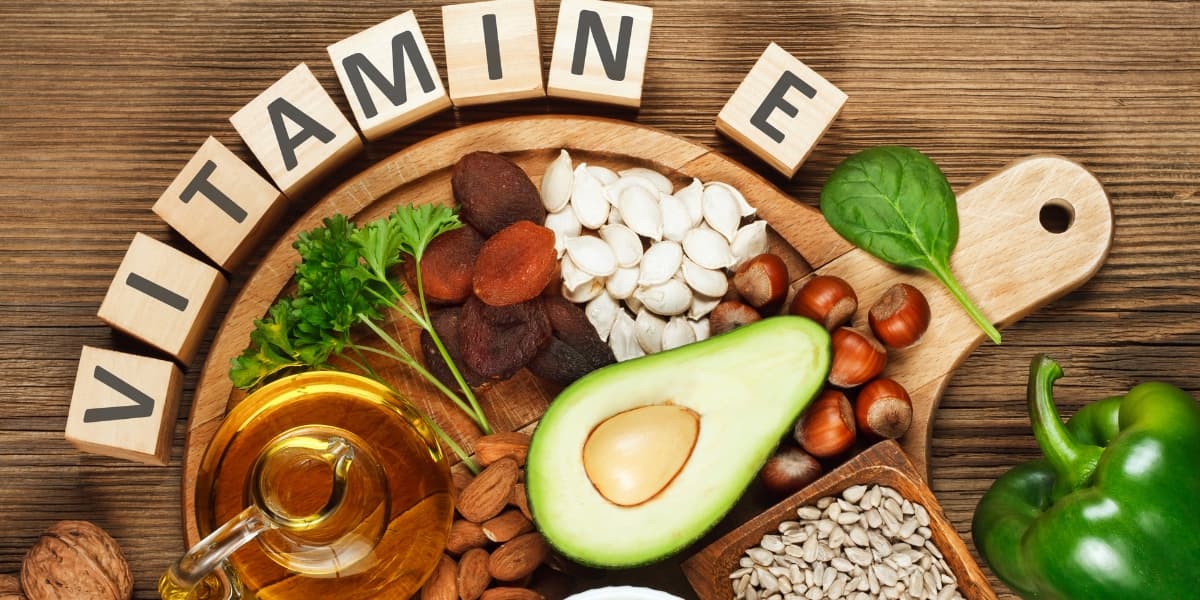
Consuming a diet low in fats, particularly healthy fats, can significantly impact vitamin E consumption. Foods like avocados, spinach, and almonds, as well as vegetable oils such as sunflower and safflower oil, should be included for adequate vitamin E consumption. Incorporating these foods into daily meals can provide a significant health boost.
Malabsorption Disorders
For individuals with diagnosed malabsorption syndromes, obtaining therapeutic doses of vitamin E through supplemental vitamin E intake may be necessary. Regular consultations with healthcare professionals can help tailor the best approach, possibly including routine screenings to monitor serum concentrations of vitamin E.
Genetic Disorders
Genetic mutations affecting fat metabolism can hinder nutrient absorption. Individuals with these conditions may need comprehensive nutritional support plans tailored to their unique genetic makeups, focusing on vitamin E and overall fat-soluble vitamin intake.
Increased Requirements
It is crucial for pregnant and breastfeeding women to consult with healthcare providers regarding their vitamin E needs. Incorporating a balanced diet rich in vitamins can support both maternal health and child development, ensuring that both mother and baby receive essential nutrients during critical growth phases.
Medications
Individuals taking long-term anticoagulant therapy must monitor their vitamin E intake carefully, considering both the benefits and potential risks of supplementation. Regular blood work may be necessary to ensure appropriate vitamin E levels and adjust medications or dietary choices accordingly.
Treatment
Addressing vitamin E deficiency involves a multifaceted approach, encompassing dietary adjustments, vitamin E supplements, and monitoring. Collaborating with healthcare practitioners ensures tailored treatment plans based on individual needs and underlying causes.
Dietary Adjustments
Increasing the intake of vitamin E-rich foods is the first step in treatment. Foods such as nuts, seeds, spinach, sweet potatoes, and whole grains should be staple components of a balanced diet. Aim to incorporate a variety of these foods to maximize nutrient intake.
Vitamin E Supplementation
In cases where dietary intake is insufficient or when specific medical conditions impede absorption, the supplements of vitamin E may be recommended. A healthcare professional can suggest the appropriate dose of vitamin E, typically ranging from 15 mg to 1000 mg depending on individual needs and existing health conditions. It is essential to follow medical advice closely, as high doses of vitamin E can lead to adverse effects.
Monitoring Levels
Regular blood tests to evaluate vitamin E levels can help individuals and healthcare providers identify deficiencies early. This proactive approach allows for timely intervention through modified dietary or supplemental strategies, ensuring individuals achieve optimal nutrient levels.
Combining with Other Nutrients
The synergistic relationship between vitamins C and E can maximize antioxidant effects. Supplementing with both vitamins may enhance overall health and protect against oxidative stress. Consider including foods rich in both vitamins, such as citrus fruits alongside nuts and seeds, into your diet.
Lifestyle Considerations
Maintaining a balanced, healthy lifestyle, including regular exercise and stress management, can further support nutrient absorption and utilization in the body. Stress reduction techniques and adequate hydration are essential components that can help optimize overall nutrient status.
Conclusion
Vitamin E plays an indispensable role in overall health, and understanding the implications of its deficiency is crucial. Symptoms such as muscle weakness, vision issues, immune dysfunction, and anemia can arise from insufficient levels of this vital nutrient. Causes range from dietary insufficiency to malabsorption disorders and genetic factors. Treatment often involves dietary changes, appropriate vitamin E supplementation, and ongoing monitoring of vitamin levels. By taking proactive steps to maintain adequate vitamin E intake, individuals can significantly bolster their health and reduce the risk of associated complications. Remember, dietary choices can have a lasting impact, so prioritize foods rich in vitamin E to support long-term well being. Discuss any concerns regarding your vitamin E consumption or supplementation with a healthcare provider for personalized recommendations and strategies.
Frequently Asked Questions
What are the signs of vitamin E deficiency?
Vitamin E deficiency can present with a variety of symptoms, including:
- Muscle Weakness and Ataxia: Difficulty in coordination and balance, increasing the risk of falls.
- Visual Impairment: Progressive vision loss due to oxidative damage in retinal cells.
- Immune System Impairment: Reduced ability to fight infections, particularly in older adults.
- Anemia: Decreased red blood cell formation leading to fatigue and weakness.
- Skin Issues: Easy bruising, delayed wound healing, and increased vulnerability to skin infections.
- Bleeding Disorders: Increased risk of bleeding, especially for those on anticoagulant therapy.
Recognizing these signs is essential for early detection and treatment of vitamin E deficiency.
Which food is highest in vitamin E?
Several foods rich in vitamin E can help maintain adequate vitamin E levels in the body. Some of the top sources include:
- Nuts and Seeds: Almonds, sunflower seeds, and hazelnuts are among the highest in vitamin E content.
- Vegetable Oils: Sunflower oil, safflower oil, and wheat germ oil are excellent sources.
- Leafy Green Vegetables: Spinach, kale, and Swiss chard provide significant amounts of vitamin E.
- Fish: Certain fish like salmon and trout contain moderate levels of vitamin E.
- Whole Grains: Whole wheat, quinoa, and fortified cereals contribute to daily vitamin E intake.
Incorporating a variety of these foods into your diet can help prevent vitamin E deficiency and support overall health.
How do you rate this blog?
You might also like

Benefits of Dark Chocolate in Diets
Dark chocolate isn't just a treat, it's a potential ally in fighting inflammation when incorporated ...

Vegan Protein Bars: Top Ingredients and DIY Tips
Vegan protein bars are surging in popularity as plant-based diets gain traction, offering a convenie...

Healthy Alternatives to Potato Chips: Diet-Friendly Options
Potato chips are a go-to snack, but their high calories, fats, and sodium make them diet saboteurs. ...