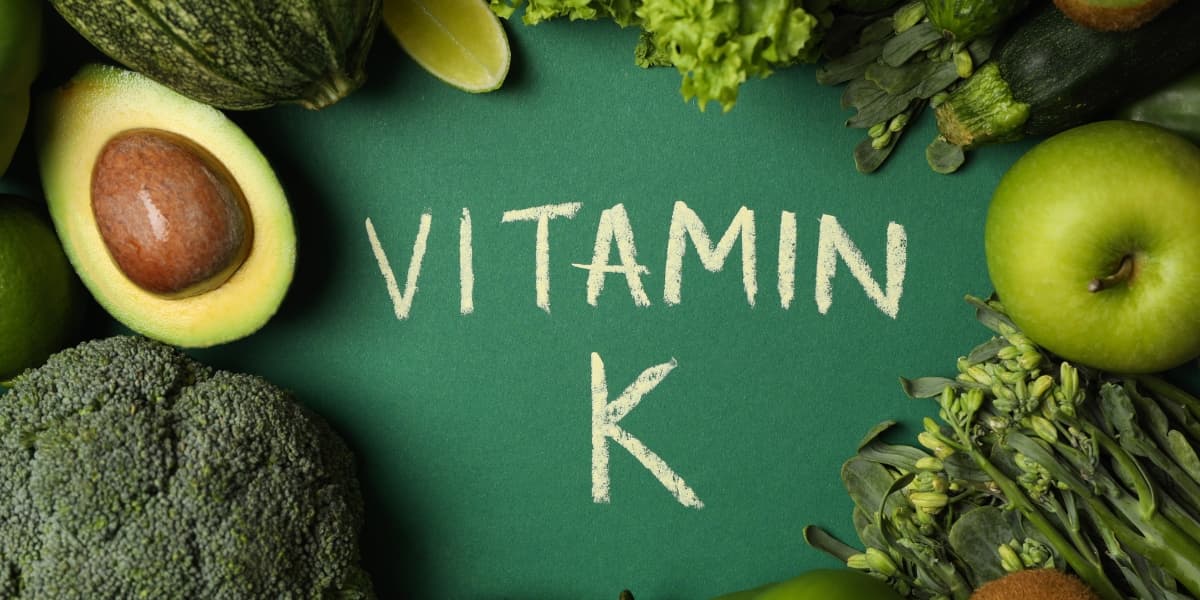
Vitamin K: Functions, Sources, and Deficiencies
Vitamin K is a crucial fat-soluble vitamin that plays an indispensable role in the human body. It is vital for blood clotting, bone health, and cardiovascular wellness. Despite its importance, many individuals remain unaware of its functions, sources, and how to ensure sufficient vitamin K intake. In this article, we delve into what vitamin K is, its benefits, potential side effects, risks associated with vitamin K deficiency, and the dietary sources from which it can be obtained.
What is Vitamin K?
Vitamin K is not just a single vitamin; it is a group of fat-soluble vitamins that are primarily responsible for the regulation of coagulation. There are two main forms of vitamin K:
- Vitamin K1 (phylloquinone): This form is predominantly found in leafy green vegetables and is essential for blood clotting. It constitutes about 90% of the vitamin K in the typical Western diet.
- Vitamin K2 (menaquinone): Derived from animal products and fermented foods, vitamin K2 plays a critical role in bone metabolism and cardiovascular health. It is further divided into subtypes, with MK-4 and MK-7 being the most studied; MK-7 has a longer half-life in the body, providing a more stable supply of vitamin K2.
Both forms of this essential nutrient contribute to the body’s vitamin K status, which is a key indicator of health. Adequate vitamin K’s role in health is vital for various bodily functions, emphasizing the need for individuals to maintain balanced diets that include sources of both vitamin K1 and vitamin K2.
Benefits
The benefits of vitamin K extend beyond mere blood clotting. Below are some of the important roles this vitamin plays:
Blood Clotting
Vitamin K is crucial for the synthesis of vitamin K-dependent proteins, which are essential for coagulation. Without adequate vitamin K, the body can experience problems such as excessive bleeding, known as vitamin K deficiency bleeding (VKDB), particularly in infants. This can sometimes lead to serious conditions, including a hemorrhagic disease in newborns, highlighting the importance of health benefits of vitamins for weight and proper nutrient intake.
Bone Health
Studies suggest that vitamin K may improve bone density and decrease the risk of fractures by promoting the regulation of calcium in bones. Research indicates that adequate vitamin K intake is associated with higher bone mineral density and reduced fracture risk, particularly important for the elderly and individuals at risk for osteoporosis. Moreover, the combination of vitamin K with vitamin D supplements may enhance bone health even further, contributing to vitamins for daily wellness.
Cardiovascular Health
Vitamin K helps prevent the calcification of arteries, thereby reducing the risk of heart disease. It does this by activating matrix Gla-protein (MGP), which prevents the inappropriate deposit of calcium in soft tissues. This nutrient works synergistically with vitamins C and E and calcium to maintain a healthy cardiovascular system, thereby contributing to overall heart health.
Side Effects
Vitamin K is generally safe when consumed in appropriate amounts from dietary sources; however, some precautions should be taken, especially with vitamin K supplements.
High Doses
While there is little risk of toxicity from natural food sources, high doses of vitamin K supplements can interact with vitamin K antagonists like Warfarin, diminishing their effectiveness. Patients on these medications must consistently monitor their dietary intake and consider any supplements containing vitamin K.
Interactions with Medications
Individuals on anticoagulant therapy need to monitor their intake of vitamin K carefully to avoid fluctuations in vitamin K levels, which could lead to an increased risk of blood clot formation or bleeding. It's important for patients to inform their healthcare provider of any dietary changes or supplements they are taking to ensure safe management.
Vitamin K Deficiency
Vitamin K deficiency, though rare, can lead to significant health issues. Factors leading to deficiency may include inadequate dietary intake, gastrointestinal disorders, or diseases that affect absorption, such as celiac disease or Crohn’s disease.
Signs of Vitamin K Deficiency
- Prolonged Bleeding: This can manifest as easy bruising or longer recovery from cuts or injuries.
- Bone Fractures or Weaknesses: Without sufficient vitamin K, the bones may become more fragile, increasing the risk of fractures.
- Excessive Bleeding: Especially in newborns, a severe form of deficiency can lead to vitamin K deficiency bleeding (VKDB), which is a life-threatening condition.
The risk of deficiency is particularly high for individuals who have a limited diet, those with malabsorption disorders, or infants who have not received vitamin K prophylaxis at birth. Additionally, certain medications, such as antibiotics, can disrupt gut flora and reduce vitamin K absorption, making it crucial for at-risk populations to monitor their intake and consult healthcare professionals.
Vitamin K Supplements
Vitamin K supplements are available in several forms, including tablets, capsules, and liquid drops, and come in two primary types: Vitamin K1 (phylloquinone) and Vitamin K2 (menaquinone). These supplements are often recommended for individuals who:
- Have a diet low in Vitamin K-rich foods, such as leafy green vegetables (e.g., spinach, kale, and broccoli) and fermented foods.
- Have difficulty absorbing fat due to conditions like Crohn’s disease, celiac disease, or other disorders affecting the digestive tract, as Vitamin K is a fat-soluble vitamin.
- Are taking medications that interfere with Vitamin K absorption or utilization, such as long-term antibiotics or anticoagulants (with doctor supervision).
- Want to support bone health and reduce the risk of osteoporosis, as Vitamin K plays a critical role in bone mineralization and calcium utilization.
- Are at risk of cardiovascular issues, as Vitamin K2 is associated with supporting arterial health by preventing calcification of blood vessels.
Supplementing with Vitamin K can help ensure optimal blood clotting function, promote bone health, and support cardiovascular wellness, especially for those who may have difficulty meeting their needs through diet alone.
Food Sources of Vitamin K
Understanding the sources of vitamin K is essential for maintaining optimal health. Good dietary sources include:
- Leafy Green Vegetables: Spinach, kale, collard greens, and turnip greens are exceptionally high in vitamin K1 and should be staples in the diet.
- Fermented Foods: Foods such as fermented soy products (like natto) are rich in vitamin K2, making them extraordinary additions for those seeking to increase their intake.
- Animal Products: Egg yolks and dairy products like cheese are excellent sources of vitamin K2. Incorporating these into meals can support overall vitamin K status.
- Vegetable Oils: Certain oils, such as soybean oil, olive oil, and canola oil, provide good amounts of vitamin K. These can be used in cooking or as salad dressings to enhance dietary intake.
To ensure adequate vitamin K status, a varied diet that is rich in these foods, paired with the possibility of a vitamin K supplement, if indicated, can help achieve the recommended dietary intake. Including a good mix of both vitamin K1 and vitamin K2 sources is paramount for comprehensive health benefits.
Precautions and Recommendations
For those considering vitamin K supplementation, it is essential to consult a healthcare provider, especially if you are on medications that affect coagulation. Regular monitoring of vitamin K levels may be warranted for individuals at risk of deficiency or those undergoing anticoagulant therapy. Nutritionists often recommend getting nutrients from food sources rather than supplements whenever possible, as this approach provides a compound effect of various other nutrients that work synergistically.
The Dietary Reference Intake (DRI) for vitamin K varies by age and sex, but its importance across various life stages, from infancy to adulthood, is crucial for maintaining health. Specifically, the Adequate Intake (AI) for vitamin K for adults is around 90-120 micrograms per day, with increased needs during pregnancy and lactation.
Conclusion
Vitamin K is an essential nutrient that plays a multifaceted role in our health, influencing blood clotting, bone strength, and even cardiovascular wellbeing. While vitamin K deficiency occurs rarely in healthy adults, awareness of dietary sources and the importance of adequate intake can prevent potential health complications. If you suspect that your vitamin K levels may be insufficient or if you have specific health conditions, consult with a healthcare professional to discuss appropriate dietary adjustments or vitamin K supplementation. Understanding vitamin K can pave the way for a healthier life, ensuring your body receives all the essential nutrients it requires. By taking charge of your vitamin K intake, you can contribute positively to your overall health and well-being.
Frequently Asked Questions
What is vitamin K good for?
Vitamin K is essential for several critical bodily functions, including:
- Blood Clotting: It plays a key role in the synthesis of vitamin K-dependent clotting factors, which are necessary for proper blood clotting. Without adequate vitamin K, the body cannot effectively stop bleeding.
- Bone Health: Vitamin K contributes to bone metabolism by activating proteins that regulate calcium deposition, thereby improving bone density and reducing the risk of fractures.
- Cardiovascular Health: It helps prevent arterial calcification by activating matrix Gla-protein (MGP), which inhibits calcium from depositing in the arteries, thus lowering the risk of heart disease.
Overall, vitamin K is crucial for maintaining healthy bones, a functional cardiovascular system, and effective blood clotting mechanisms.
What foods are rich in vitamin K?
Several foods containing vitamin K can help maintain adequate vitamin K levels in the body. Some of the top sources include:
- Leafy Green Vegetables: Spinach, kale, collard greens, and turnip greens are exceptionally high in vitamin K1.
- Fermented Foods: Natto (fermented soybeans) is particularly rich in vitamin K2.
- Animal Products: Egg yolks, cheese, and other dairy products contain significant amounts of vitamin K2.
- Vegetable Oils: Soybean oil, olive oil, and canola oil are good sources of vitamin K.
- Whole Grains: Some whole grains also contain small amounts of vitamin K.
Incorporating a variety of these vitamin K-rich foods into your diet can help ensure you get enough vitamin K to support your health.
Is vitamin K potassium?
No, vitamin K and potassium are two distinct nutrients. Vitamin K is a fat-soluble vitamin essential for blood clotting, bone health, and cardiovascular function. On the other hand, potassium is a mineral and an electrolyte that helps regulate fluid balance, muscle contractions, and nerve signals in the body. While both are vital for health, they serve different functions and are obtained from different dietary sources.
How do you rate this blog?
You might also like

Benefits of Dark Chocolate in Diets
Dark chocolate isn't just a treat, it's a potential ally in fighting inflammation when incorporated ...

Vegan Protein Bars: Top Ingredients and DIY Tips
Vegan protein bars are surging in popularity as plant-based diets gain traction, offering a convenie...

Healthy Alternatives to Potato Chips: Diet-Friendly Options
Potato chips are a go-to snack, but their high calories, fats, and sodium make them diet saboteurs. ...