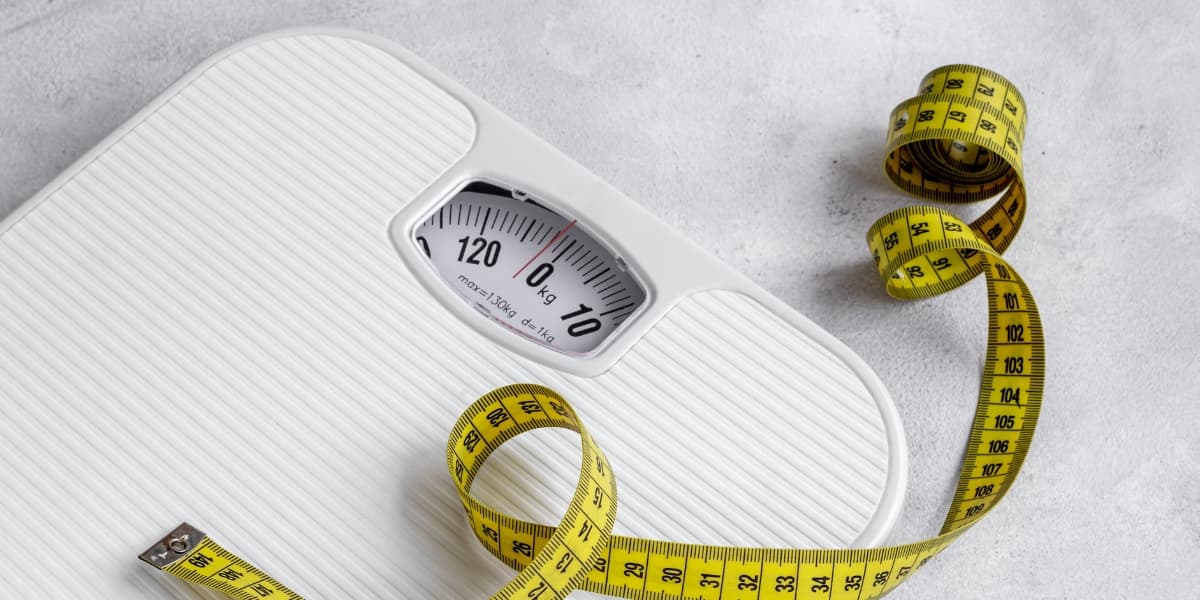
Weight Loss vs Fat Loss: What You Need to Know for Better Results
In today's health-conscious society, the terms "weight loss" and "fat loss" are often used interchangeably. However, understanding the distinction between these two concepts can significantly impact your fitness journey. Both terms relate to body composition changes, but they carry different meanings and implications. This article will delve into the differences between weight loss and fat loss, what you should prioritize, and how you can effectively lose fat while maintaining your muscle mass, all while offering evidence-based strategies and insights to enhance your journey.
What’s the Difference Between Weight Loss and Fat Loss?
Weight loss refers to a decrease in overall body mass, which can include loss from fat, muscle, water, and other bodily components. It is a measure largely based on the number displayed on your scale. In contrast, fat loss specifically refers to the reduction of fat stores, primarily adipose tissue, from the body. This distinction is critical not only for physical appearance but also for overall metabolic health and performance.
Understanding the difference between these two terms is crucial for anyone looking to reshape their body composition. For those seeking a guide to understanding weight vs. fat loss, it's important to note that someone who loses weight might experience a decrease in body fat while also shedding water weight or muscle mass. On the other hand, when you focus on fat loss, you're not just concerned with the scale; your primary goal is to decrease body fat percentage while preserving or even increasing lean body mass. This means favoring health and fitness over mere numbers.
As outlined in various health resources, including Healthline and Medical News Today, a common misconception is that all weight loss is beneficial. However, losing weight from muscle is not ideal, as muscle mass is vital for maintaining metabolism, strength, and overall health. Specifically, muscle tissue contributes to a higher resting metabolic rate, enabling you to burn more calories even while at rest, thereby enhancing long-term weight management.
What to Prioritize: Fat Loss vs Weight Loss
Determining what to prioritize in your fitness journey - whether fat loss or weight loss - begins with understanding your goals. If your primary objective is to achieve a healthier body composition, then focusing on fat loss should be your goal. Here are some key considerations:
- Body Composition: Many people find that their ideal body weight may not reflect their body fat percentage. Instead of fixating on the scale, consider using a body fat scale to measure fat levels directly. Techniques such as DEXA scans, hydrostatic weighing, or even calipers can provide a more accurate picture of body composition and allow better tracking of progress.
- Muscle Mass Preservation: As you work toward losing fat, maintaining muscle mass becomes vital. Muscle tissue burns more calories at rest than fat and plays a crucial role in metabolic health. Prioritizing activities like strength training, which could include bodyweight exercises, resistance bands, or free weights, along with a high-protein diet, can help in both preserving and building muscle while losing fat. Studies have shown that individuals incorporating strength training into a weight loss regimen experience better muscle retention and fat loss outcomes.
- Metabolism Health: Engaging in regular cardiovascular exercise and strength training can help optimize metabolism. A balanced approach focusing on endurance (like jogging, cycling, or swimming) and resistance training (like weight lifting or cross-training) can enhance your overall fitness while targeting fat more effectively than focusing solely on weight loss. Interval training can also be beneficial, as it has been shown to enhance metabolic rates post-exercise.
- Long-Term Health: By focusing on fat loss rather than rapid weight loss, you can promote sustainable health benefits and reduce the risk of obesity-related diseases such as diabetes and cardiovascular disease. Furthermore, a focus on healthy practices fosters positive lifestyle changes rather than quick fixes. Many people turn to programs for weight and fat loss management to get professional guidance tailored to their individual needs.
How to Lose Fat Without Losing Muscle
A common concern when embarking on a weight loss journey is the possibility of losing muscle along with fat. Fortunately, there are strategic ways to ensure you lose fat without muscle loss:
- Incorporate Strength Training: Including regular strength training workouts in your routine is vital for muscle preservation. Focus on compound movements like squats, deadlifts, and bench presses, which engage multiple muscle groups and promote overall strength. Training with progressive overload, gradually increasing the weights or resistance—can further enhance muscle retention. Some individuals consider using fat burners for targeted fat loss, but it's essential to approach such supplements with caution and professional advice.
- Maintain a Moderate Caloric Deficit: While calorie restriction is essential for fat loss, a very low-calorie diet can lead to muscle atrophy and reduced metabolism. Aim for a moderate caloric deficit (approximately 500 calories below your maintenance level) to facilitate slow and steady fat loss without severe impacts on muscle mass. This balance helps to ensure the body primarily utilizes fat stores while preserving muscle.
- Prioritize Protein Intake: A high-protein diet is fundamental for preserving lean body mass. Aim to incorporate sources of healthy protein, such as chicken, fish, beans, lentils, nuts, and dairy, into your meals, ideally, include protein in every meal and snack. Recommendations suggest a protein intake of about 1.6 to 2.2 grams of protein per kilogram of body weight, especially during a fat-loss regimen.
- Supplement with Cardio Wisely: While whole foods should be your primary nutrient source, some people use supplements for weight and fat management to support their goals. Protein powders, omega-3 fatty acids, and certain vitamins and minerals can aid in fat loss and muscle preservation when used appropriately.
- Monitor Your Progress: Keep track of both your body weight and body fat percentage using methods such as skinfold calipers or bio-impedance scales. This can provide insight into your body composition changes and help ensure you’re losing fat, not muscle. Additionally, tracking measurements of different body parts or taking progress photos can be motivating and informative.
Is It Possible to Lose Fat Without Losing Weight?
A crucial aspect of fat loss involves understanding that it is indeed possible to lose body fat without a corresponding drop in overall weight. This may occur especially when:
- Muscle Gains Compensate for Fat Loss: If you’re actively training and building muscle through strength training, you can lose fat while your weight remains stable, or even increases slightly due to muscle density. Muscle is denser than fat, meaning it occupies less space and can result in a leaner appearance at a similar or higher body weight. This is especially relevant for athletes or those new to resistance training, who may convert fat to muscle during their fitness journey.
- Water Weight Fluctuations: Body weight can vary daily due to fluctuations in water retention. Factors such as hydration levels, sodium intake, and hormonal changes can cause temporary increases or decreases in body weight without affecting fat loss. Monitoring your weight over time, rather than day-to-day, will provide a more accurate reflection of your progress.
- Fat vs. Muscle Composition Changes: It’s essential to monitor how your body composition changes over time alongside your weight. Someone actively engaged in a fat loss program may see their body fat percentage decrease while their weight remains the same due to retaining or building muscle. This emphasizes the importance of focusing on body composition metrics as opposed to scale weight alone.
Conclusion
Understanding the difference between weight loss and fat loss is a vital component of achieving your health goals. While the scale may tell one story, focusing on fat loss can lead to a more significant long-term impact on body composition and overall health. By prioritizing fat loss through strategies that maintain muscle mass, such as strength training and a balanced diet rich in micronutrients, you can successfully navigate your weight loss journey while enhancing your physical and mental well-being.
Remember, sustainable health is about more than just the numbers on a scale; it encompasses how you feel, the strength you gain, and the habits you develop. Embrace a holistic approach to your fitness journey by incorporating mental health strategies such as mindfulness, which can aid in reducing disordered eating patterns, and seek support from professionals when needed. So, as you embark on your fitness journey, focus on your overall body composition for healthier and more rewarding results.
Frequently Asked Questions
Is it better to lose weight or lose fat?
It's better to lose fat rather than just losing weight. Fat loss improves body composition, preserves muscle mass, and boosts metabolism, leading to better long-term health outcomes.
Can you lose fat and not lose weight?
Yes, you can lose fat without losing weight. This happens when you build muscle while losing fat, as muscle weighs more than fat but takes up less space.
How do you rate this blog?
You might also like

Sleep and Weight Loss: The Relationship Between Healthy Sleep and Weight Management
Have you ever wondered how improving your sleep can help you lose weight? Everyone knows that diet a...
Essential Guide to Vitamins and Weight Loss: Boosting Your Journey Naturally
Embarking on a weight loss journey can feel daunting, as it often involves making significant change...

Effective 7-Day Meal Plan for Weight Loss
Embarking on a weight loss journey can feel challenging, but with the right meal plan, it becomes mo...