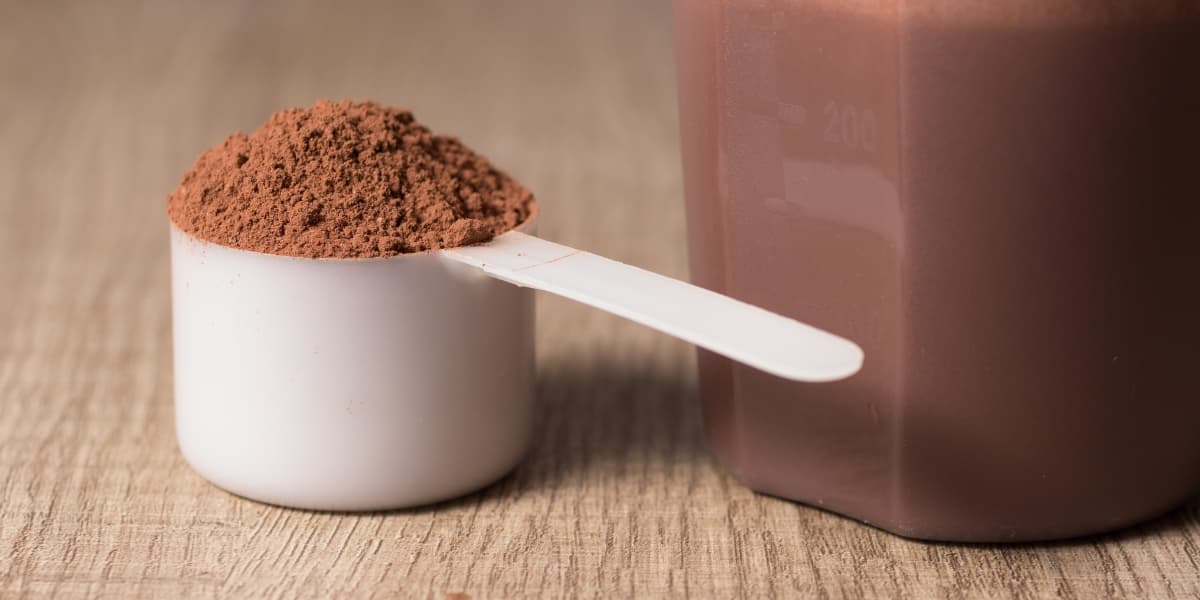
The Ultimate Guide to Whey Protein: Types, Benefits, Dosage, and More
Whey protein has cemented its position as one of the most popular protein supplements in the fitness industry. Derived from milk, it is a complete protein source that provides all nine essential amino acids required for optimal health and muscle growth. As a versatile supplement, whey protein offers numerous health benefits and can support a variety of health goals, including muscle recovery, weight management, and immune support. But with several different types of whey protein available, including whey isolate and whey concentrate, many wonder what's the difference and which type may best suit their needs. In this comprehensive guide, we will explore the different types of whey protein, their benefits and side effects, recommended dosages, and tips for efficient usage, helping you make an informed choice.
What is Whey Protein?
Whey protein is a mixture of proteins isolated from whey, the liquid by-product of cheese production. This process involves separating the liquid whey from the curds, resulting in a nutrient-rich liquid that undergoes further processing to create various forms of whey protein powder. Each form differs in terms of protein content, fat, and lactose levels, allowing users to choose based on their dietary preferences and protein needs. As a dietary supplement, whey protein powder is primarily used to support muscle growth, recovery post-exercise, and to help meet daily protein intake requirements, especially for those who may find it difficult to consume enough protein through food alone.
Types of Whey Protein
There are three primary types of whey protein, each with different processing methods and nutritional profiles:
1. Whey Protein Concentrate (WPC)
Whey protein concentrate is the least processed form of whey protein available. It typically contains about 70-80% protein content while retaining higher levels of lactose and fat, as well as carbohydrates. This means it also contains more lactose, which may affect those with lactose sensitivities. Due to its robust flavor, creamy texture, and complete amino acid profile, WPC is a popular type of protein among those looking to increase their protein intake without strict dietary restrictions. It's often used in protein shakes, smoothies, and baked goods, offering a tasty way to enhance nutritional value while satisfying sweet cravings.
2. Whey Protein Isolate (WPI)
Whey protein isolate undergoes additional processing to remove most of the fat and lactose, resulting in a higher protein concentration, usually around 90% or more. This process makes WPI a popular choice among fitness enthusiasts who are lactose intolerant or those looking to minimize their carbohydrate intake. This form of whey is ideal for effective muscle gain solutions and post-exercise recovery because of its quick digestibility. It is particularly beneficial for athletes needing rapid nutrient replenishment after intense workouts. Additionally, WPI often has lower calorie content compared to WPC, making it an excellent option for those on a calorie-restricted diet.
3. Whey Protein Hydrolysate (WPH)
Whey protein hydrolysate is a pre-digested form of whey that is partially hydrolyzed, making it easier and faster for the body to absorb. This type of whey protein powder is commonly used in medical protein supplements and infant formulas due to its rapid digestibility. For athletes and individuals recovering from surgery or illness, WPH can promote muscle recovery and growth more efficiently than the other forms. It is often associated with improvements in muscle recovery and reduced soreness after exercise, making it a favored choice for competitive athletes and bodybuilders.
Benefits of Whey Protein
Whey protein provides numerous nutritional benefits of protein, particularly for those engaged in strength training or physical activities. Some of the most noteworthy benefits include:
-
Muscle Growth and Recovery: Whey protein has been shown to stimulate muscle protein synthesis, which is crucial for building and repairing muscle tissue post-exercise. Studies have indicated that WPI can enhance muscle recovery more effectively than other forms of protein. Taking whey protein after workouts can significantly improve muscle mass and strength when combined with resistance training.
-
Weight Management: Protein can boost metabolic rate and promote feelings of fullness, aiding in weight loss and maintenance programs. Whey protein may help reduce body fat while preserving lean muscle mass, making it an attractive option for those looking to lose weight without sacrificing muscle.
-
Rich Source of Nutrients: Whey protein provides essential amino acids, including branched-chain amino acids (BCAAs), which play a vital role in muscle recovery. The high levels of leucine found in whey protein are particularly important for stimulating muscle protein synthesis.
-
Convenient Protein Source: Whey protein supplements offer a convenient way to increase daily protein intake without needing to prepare whole foods. They are especially useful for people with busy lifestyles who may not have time to cook or prepare high-protein meals.
-
Supports Immune Function: Some studies suggest that whey protein may help enhance the immune system by increasing levels of glutathione, an important antioxidant in the body. This can be particularly beneficial for athletes undergoing intense training, as their immune systems may become compromised.
Side Effects
While whey protein is generally safe for the majority of people, it may cause side effects in some individuals, particularly those who are lactose intolerant or allergic to whey:
-
Digestive Issues: Bloating, gas, and diarrhea can occur, especially with whey protein concentrate due to its higher lactose content. It is advisable for those with lactose intolerance to opt for whey protein isolate or hydrolysate to minimize these issues.
-
Allergic Reactions: Individuals allergic to whey or casein proteins may experience skin rashes, itching, or gastrointestinal discomfort. It's crucial to read ingredient labels carefully and consult with a healthcare professional if you have known dairy allergies.
-
Kidney Strain: High doses of whey protein may stress the kidneys, particularly in those with preexisting kidney conditions. Adequate hydration is essential to mitigate this risk, and anyone with kidney issues should consult a healthcare provider before increasing protein intake.
Recommendations
When choosing a whey protein supplement, consider the following:
-
Type of Protein: Determine whether a concentrate, isolate, or hydrolysate fits your dietary needs and fitness goals. For those who are lactose intolerant or allergic to whey, choosing an isolate or hydrolysate is generally recommended.
-
Ingredients: Look for products with minimal additives and high-quality ingredients. Additional ingredients, such as sweeteners and fillers, may affect overall health and results.
-
Brand Reputation: Choose reputable brands that conduct third-party testing for quality assurance. Researching customer reviews can also provide insight into product efficacy and satisfaction.
Dosage
The optimal protein intake varies based on individual factors such as age, weight, activity level, and fitness goals. Generally, a common recommendation is to consume 20-30 grams of whey protein post-workout for muscle recovery. The total daily protein intake for most adults should fall between 0.8 to 1.6 grams of protein per kilogram of body weight, depending on activity level and muscle-building goals. For athletes and those undergoing intense training, the higher end of that spectrum (1.2 to 2.2 grams per kilogram) might be more relevant to effectively achieve muscle mass and strength gains.
How to Use Whey Protein
Whey protein can be consumed in various ways, making it a versatile addition to any diet:
-
Protein Shakes: Mix whey protein powder with water or milk for a quick and easy shake. Adding fruits, nut butter, or greens can result in a nutrient-dense meal replacement.
-
Smoothies: Blend whey protein into your favorite smoothie recipes for a nutritious boost. Combining it with ingredients like spinach, bananas, and berries creates a delicious and healthy option.
-
Baking: Incorporate whey protein powder into baked goods, such as protein bars, pancakes, muffins, or even cookies, to add nutritional value without compromising taste.
-
Oatmeal or Yogurt: Stir whey protein into your morning oats, yogurt, or cottage cheese for added protein. This not only enhances the nutritional profile of your meal but also keeps you full longer.
-
Meal Replacement: Consider using whey protein as a meal replacement or a post-workout snack, just remember to pair it with carbohydrates for optimal recovery.
Precautions
While whey protein supplementation is generally safe, keep these precautions in mind:
-
Consult a Doctor: Especially if you have pre-existing health conditions or are pregnant or breastfeeding. Professional guidance can ensure that your protein intake aligns with your health and wellness goals.
-
Start Slow: If you're new to protein supplements, start with a lower dosage to assess tolerance before gradually increasing to a standard serving. This approach reduces the risk of digestive discomfort.
-
Balance Your Diet: Whey protein should complement a well-balanced diet rich in whole foods, not replace it. Emphasizing whole food sources of protein, such as lean meats, legumes, and nuts, ensures you're receiving a variety of nutrients.
By understanding the different protein supplements available and understanding protein types, you can make an informed choice and effectively support your health goals.
Conclusion
Whey protein is a popular supplement that offers a wealth of benefits, particularly for those focusing on muscle growth and recovery. With various types available, including whey protein concentrate, isolate, and hydrolysate, individuals can choose the form of whey protein that best suits their dietary needs and fitness goals. By understanding the benefits, potential side effects, and best practices for supplementation, you can make an informed choice and enhance your overall health and fitness journey.
Whether you aim to build muscle, manage your weight, or simply boost your protein intake, whey protein provides an effective solution. Moreover, integrating it into a balanced diet and active lifestyle can lead to improved health outcomes and overall well-being. Remember, adequate protein intake is essential for muscle mass and strength, and whey protein is considered particularly effective due to its high digestibility and complete amino acid profile.
Frequently Asked Questions
Which type of whey protein is best?
hey Protein Isolate is often considered the best due to its high protein content and low levels of fat and lactose.
What are the three types of protein powder?
The three types of whey protein powder are Whey Protein Concentrate, Whey Protein Isolate, and Whey Protein Hydrolysate.
How do you rate this blog?
You might also like

Weight Loss Gummies: What You Need to Know
In a world where achieving weight loss goals is a common challenge, many individuals are turning to ...

Important Vitamins for Muscle Growth
Whether you're an avid bodybuilder, a fitness enthusiast, or someone simply looking to improve your ...

Best Vitamins for Healthy Skin: Unlocking the Secrets
Chasing after radiant and youthful-looking skin often involves navigating through an array of skinca...