
Best Vitamin K Supplements in 2026
Vitamin K is paramount among the roster of essential vitamins required by our bodies. This fat-soluble nutrient performs several critical roles, such as controlling blood clotting and fortifying bone health. With the surge in health awareness, it's become more crucial than ever to understand the significance of Vitamin K. Despite its importance, many people may not be fully aware of what Vitamin K is, its variants, sources, and how to ensure they include enough of it in their daily diet. This article will bridge that gap, diving deeply into the arena of Vitamin K. We will discuss nine different vitamin products that involve Vitamin K in varying capacities, evaluating their strengths and drawbacks, and ultimately guiding you to make an informed decision on which one would best suit your nutritional needs.
9 Best Vitamin K Supplements
1. Doctor's Best Natural Vitamin K2 Mk-7

Overview: Doctor's Best Natural Vitamin K2 Mk-7 provides a potent form of Vitamin K2 as Menaquinone-7 (MK-7), derived from fermented chickpeas. MK-7 is known for its high bioavailability and longer half-life in the body.
Pros:
- Offers a highly bioavailable form of Vitamin K2.
- Supports bone and cardiovascular health.
- Non-GMO and gluten-free.
Cons:
- May not be suitable for those with soy allergies, as some formulations may contain soy derivatives.
2. Life Extension Vitamin K2

Overview: Life Extension Vitamin K2 provides a substantial dose of MK-7, aimed at promoting healthy bone density and vascular health.
Pros:
- Contains a potent dose of MK-7.
- Suitable for vegetarians.
- Free from artificial additives.
Cons:
- Higher price point compared to some other brands.
3. Source Naturals Vitamin K
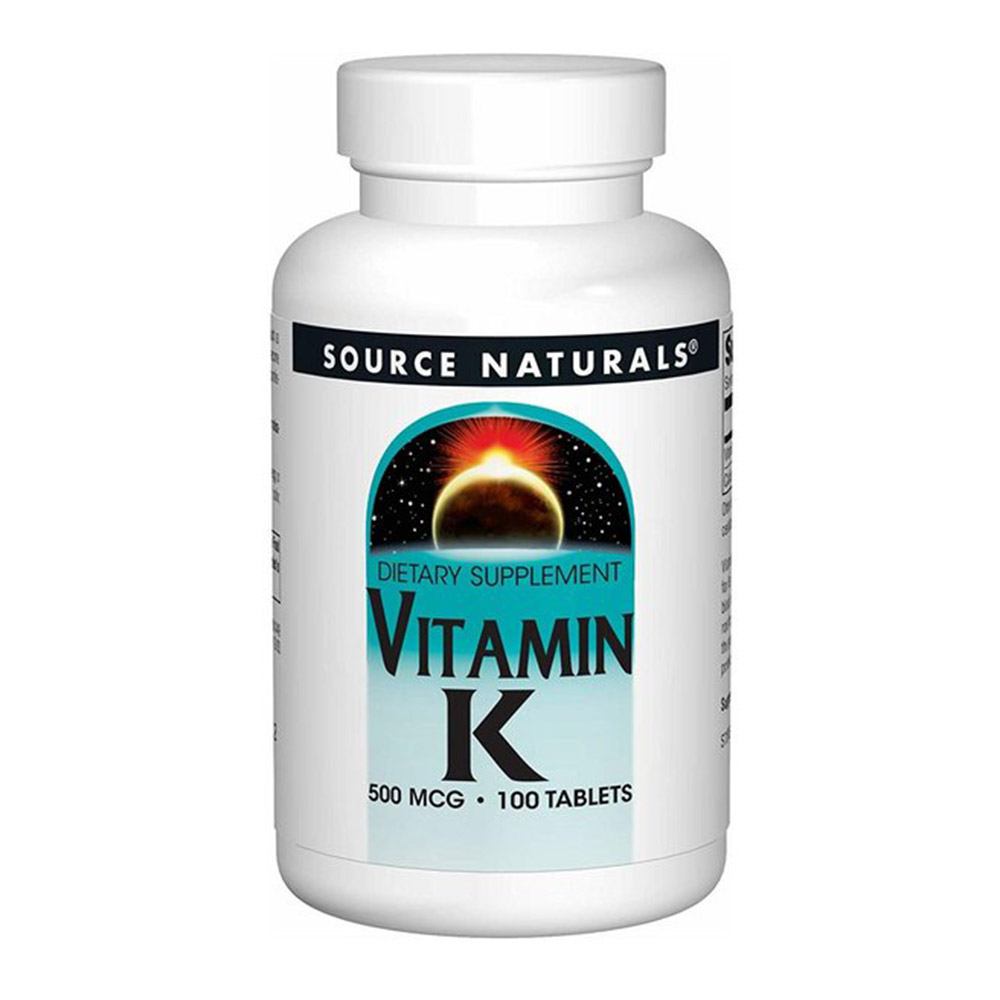
Overview: Source Naturals Vitamin K offers a comprehensive blend of Vitamin K1 and K2, supporting both coagulation and bone health.
Pros:
- Combines both Vitamin K1 and K2.
- Supports multiple aspects of health.
- Affordable price.
Cons:
- Dosage of each form of Vitamin K may be lower than in specialized supplements.
4. Laperva Vitamin D3 + K1 + K2

Overview: Laperva combines Vitamin D3 with Vitamins K1 and K2, aiming to enhance calcium absorption and utilization in the body.
Pros:
- Choosing the right vitamin supplements is easier with this synergistic blend that enhances bone health.
- Convenient all-in-one supplement.
- May improve immune function due to Vitamin D3.
Cons:
- Not widely available in all regions.
- May not be suitable for those seeking a standalone Vitamin K supplement.
5. Swanson Vitamin K1
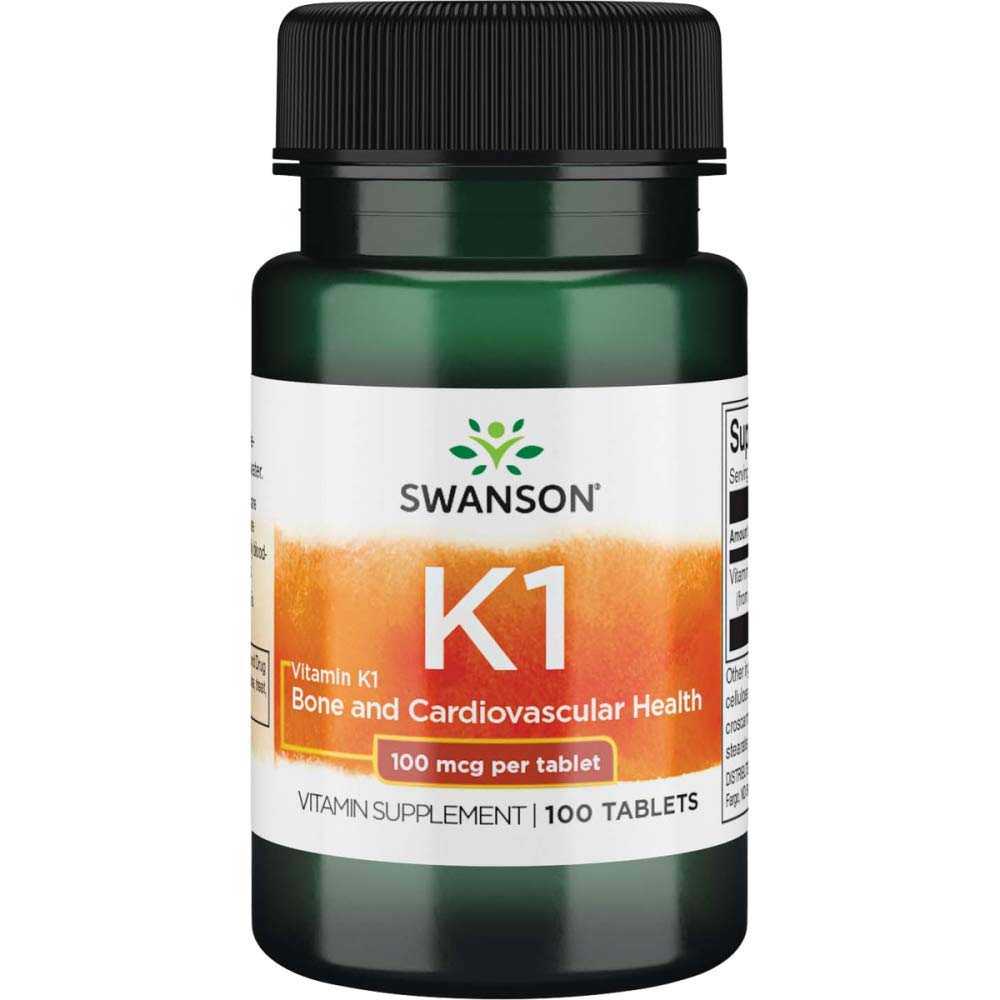
Overview: Swanson Vitamin K1 focuses on providing a pure form of Phytonadione, the plant-based form of Vitamin K, essential for proper blood clotting.
Pros:
- Pure Vitamin K1 supplement.
- Supports normal blood coagulation.
- Budget-friendly option.
Cons:
- Lacks Vitamin K2, which is important for bone health.
6. Now Vitamin D3 & K2

Overview: Now Foods combines Vitamin D3 and K2 MK-7 to support bone and cardiovascular health through improved calcium metabolism.
Pros:
- High-quality ingredients.
- Supports bone strength and arterial health.
- Non-GMO and suitable for vegetarians.
Cons:
- Softgel form may contain gelatin, not suitable for vegans.
7. Solgar Vitamin K Phytonadione
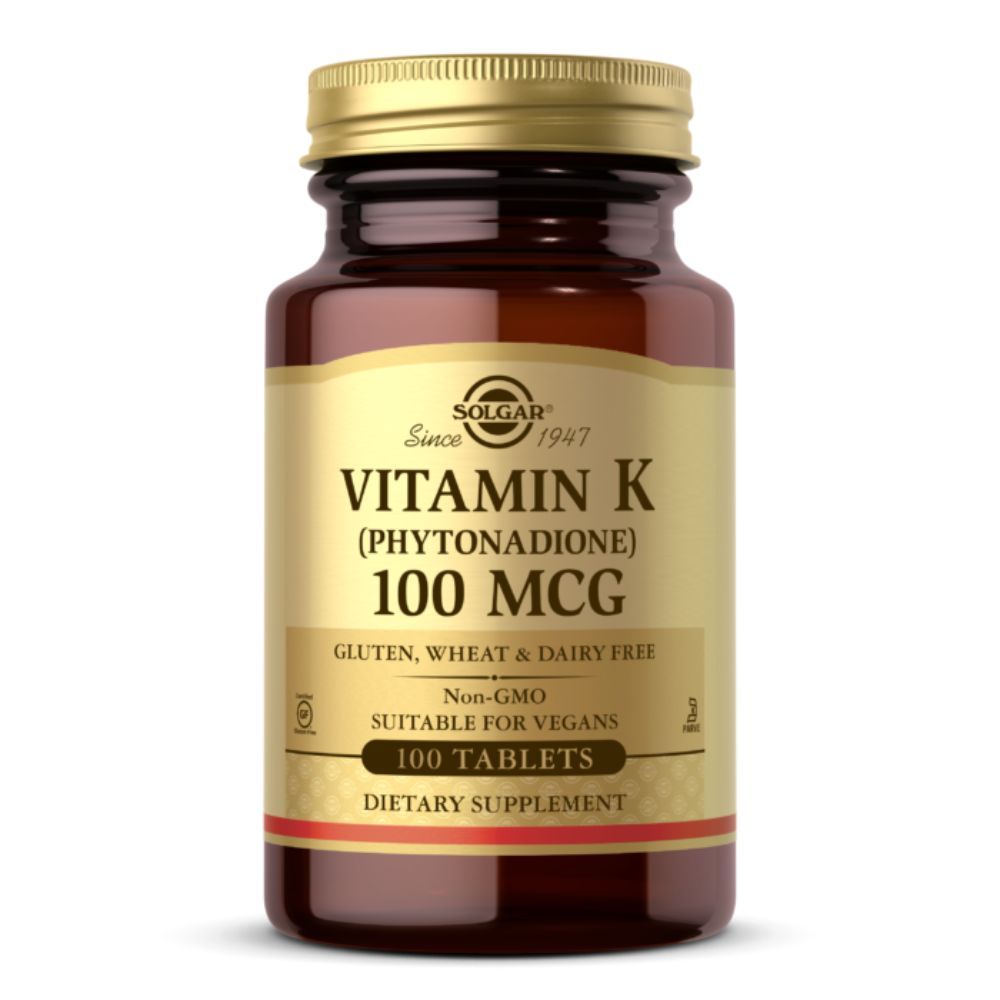
Overview: Solgar provides Vitamin K1 as Phytonadione, emphasizing quality and purity in their formulation.
Pros:
- Free from gluten, wheat, and dairy.
- Suitable for vegetarians.
- Reputable brand with high manufacturing standards.
Cons:
- Does not include Vitamin K2.
8. Sungift Nutrition Vitamin K

Overview: Sungift Nutrition offers a Vitamin K supplement aimed at supporting bone and heart health, potentially combining K1 and K2 forms.
Pros:
- May offer a blend of vitamin K dietary sources.
- Supports overall health.
- Manufactured with natural ingredients.
Cons:
- Limited availability and brand recognition.
- Detailed product information may be less accessible.
9. Natural Factors Vitamin K
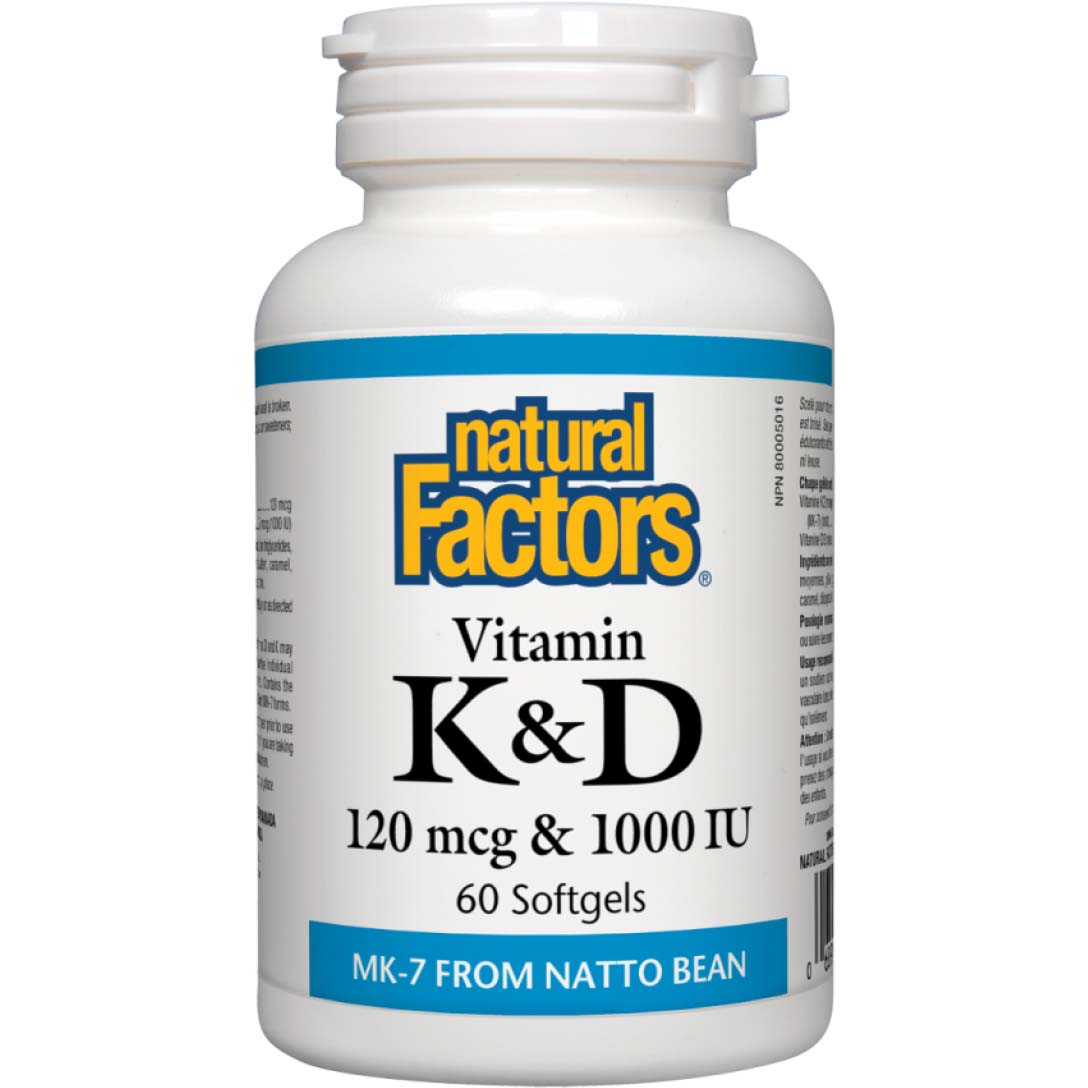
Overview: Natural Factors Vitamin K provides Vitamin K in forms that support bone density and cardiovascular health.
Pros:
- High-quality, natural ingredients.
- Non-GMO and suitable for vegetarians.
- Supports multiple health aspects.
Cons:
- Might be priced higher than generic brands.
- Check for specific forms of Vitamin K included.
How To Choose
To make informed nutritional choices, understanding the role of Vitamin K is essential. Choosing the right Vitamin K supplement or food source is crucial for maintaining adequate intake. Here are some tips to guide your decision:
-
Analyze Your Dietary Habits: Review your daily intake of Vitamin K-rich foods. If your diet includes plenty of green leafy vegetables and fermented foods, you may not need supplementation.
-
Consult Healthcare Professionals: If you have medical conditions or are taking medications like anticoagulants, consult your healthcare provider before starting any Vitamin K supplement.
-
Consider Your Health Goals: Select a product that aligns with your specific health objectives, such as bone health or cardiovascular support.
-
Verify Dosage: Ensure that the supplement provides an appropriate dose of Vitamin K according to recommended daily values.
-
Assess Other Ingredients: Check for additional vitamins or minerals in the supplement to ensure they fit your nutritional needs and avoid any unwanted additives.
Conclusion
Vitamin K plays a pivotal role in our health, with intricate involvement in essential body functions such as blood clotting and bone health. Informed knowledge about the different forms of Vitamin K, the sources they are available in, and the potential pros and cons of various supplements can help you take charge of your health. Considering your dietary habits and any potential deficiencies, making a balanced decision on whether to increase your dietary intake of Vitamin K or consider supplementation is vital. Always consult a healthcare provider to tailor the approach that best accommodates your health needs. Ensuring adequate Vitamin K intake through a balanced diet or supplements is an investment in your future health, potentially uplifting your overall well-being.
Frequently Asked Questions
Should you take vitamin K every day?
It's generally safe for most people to consume the recommended daily amount of Vitamin K through diet or supplements. However, consult a healthcare provider before starting supplementation, especially if you're on medications like blood thinners.
Which form of vitamin K is best?
Both Vitamin K1 and K2 have important roles. K1 is crucial for blood clotting, while K2 benefits bone and cardiovascular health. A balanced intake of both forms is beneficial.
Who should not take vitamin K?
Individuals on anticoagulant medications like Warfarin should avoid Vitamin K supplements unless advised by a healthcare professional, as it can interfere with medication efficacy.
What are the benefits of taking vitamin K?
Vitamin K supports proper blood clotting, promotes bone health by aiding calcium utilization, and may contribute to cardiovascular health by preventing calcification of arteries.
How do you rate this blog?
You might also like

The Ultimate Guide to Whey Protein: Types, Benefits, Dosage, and More
Whey protein has cemented its position as one of the most popular protein supplements in the fitness...

Weight Loss Gummies: What You Need to Know
In a world where achieving weight loss goals is a common challenge, many individuals are turning to ...

Important Vitamins for Muscle Growth
Whether you're an avid bodybuilder, a fitness enthusiast, or someone simply looking to improve your ...