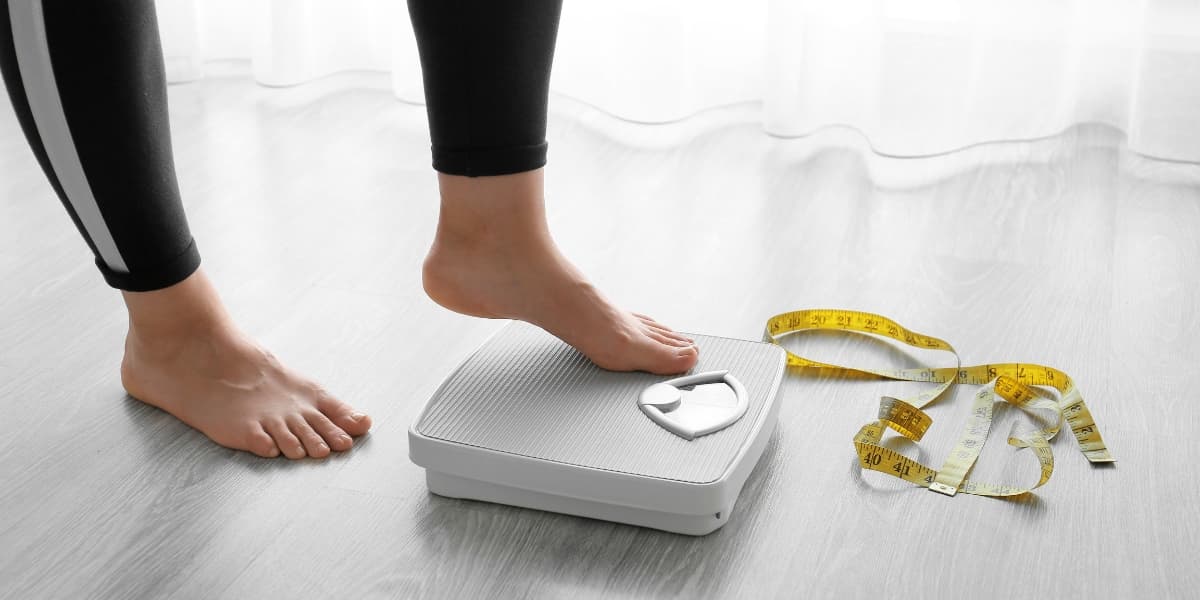
Comprehensive Guide to Postpartum Weight Loss: Strategies for losing weight after pregnancy
Becoming a new mom is one of life's most joyous transitions, yet it often comes with its own set of challenges, including managing postpartum weight. One significant concern many women face after childbirth is afterbirth weight gain. The journey to losing this baby weight can seem daunting, but with the right approach, encompassing a healthy diet, regular exercise, and strong support, getting back to a healthy weight is entirely feasible. This comprehensive guide will delve into understanding postpartum weight gain, how to lose weight after pregnancy, essential nutrition, exercises, and the role of breastfeeding, along with additional tips to support your weight loss journey.
Understanding Postpartum Weight Gain
Weight gain during pregnancy is a natural and necessary process, as your body needs to support the growth and development of your infant. On average, women may gain around 25 to 35 pounds, depending on various factors including pre-pregnancy weight, multiple pregnancies, and individual health conditions. Not all of this weight might disappear immediately after giving birth. It is typical for new moms to experience afterbirth weight retention, where some of the weight remains even months after childbirth, particularly around the abdomen according to researches. This retention can be influenced not only by physical changes but also by emotional and psychological factors, as many new moms deal with stress and fatigue while adjusting to motherhood.
The amount of weight you lose after giving birth can vary significantly. Many women might lose a few pounds immediately as the body sheds amniotic fluid and the weight of the baby itself. However, what many don't realize is that this initial weight loss may only be a fraction of the total pregnancy weight. So, how much weight can you expect to lose immediately after delivery? On average, women lose about 10-15 pounds right away, with the rest gradually following in the weeks and months postpartum. It’s important to remember that each body is different, and weight loss can be influenced by factors such as breastfeeding and individual metabolism.
How to Lose Weight After Pregnancy
The journey to weight loss after pregnancy involves a mix of diet and exercise. A balanced approach can help you lose baby weight effectively without resorting to crash diets or extreme measures that could harm your health or milk supply if you’re breastfeeding.
- Set Realistic Goals: Understand that it's common for women to take several months to shed the extra weight gained during pregnancy. Setting realistic weight loss goals is crucial. Aim to lose about 1 pound per week, which is considered a healthy and sustainable pace. Keep in mind that weight loss may be slower in the first few weeks as your body adjusts postpartum.
- Create a Balanced Meal Plan: A healthy diet is foundational for losing the baby weight. Focus on incorporating nutrient-dense foods that keep you full and energized, such as whole grains, fruits, vegetables, lean proteins, and healthy fats. Eating a healthy diet can aid significantly in your weight loss efforts. Consider using meal-prepping techniques to simplify your cooking process and ensure you have healthy meals ready to go, especially on busy days.
Nutrition for Postpartum Weight Loss
The food you consume plays a crucial role in weight loss after pregnancy journey. Here are some nutrition tips to help you effectively tackle your diet:
- Prioritize Whole Foods: Incorporate plenty of fruits, vegetables, lean proteins, and whole grains into your meals. Snack on foods like yogurt, boiled eggs, and nuts to keep your energy levels steady throughout the day. Aim to fill half your plate with fruits and vegetables at every meal to help with weight loss.
- Stay Hydrated: Drinking enough water is vital for overall health and can also help manage hunger. Sometimes what feels like hunger is merely dehydration. Aim for at least 8-10 glasses of water a day, and consider adding water-rich foods like cucumbers, oranges, and strawberries to your diet.
- Mindfully Manage Sugar Intake: Reducing added sugar can significantly impact your overall health and aid in weight loss. High-sugar foods, like candy, pastries, and sugary drinks, offer little nutritional value and can lead to unwanted weight gain. Look for ways to satisfy your sweet tooth with healthier options, such as fruit smoothies or dark chocolate in moderation.
- Consider Your Nutritional Needs: If you’re breastfeeding, your body needs additional nutrients to produce milk, so ensure your diet is rich in vitamins and minerals. Foods rich in calcium, iron, and omega-3 fatty acids are beneficial. Additionally, some women find that exploring supplements for healthy weight recovery can support their nutritional needs, but it's essential to consult a healthcare provider before starting any new supplement.
Exercise After Pregnancy
While diet plays an essential role in postpartum weight loss, regular physical activity is equally important. Resuming exercise post-childbirth can help lose baby weight and improve your overall health and mood. Here are some recommendations for postpartum exercise:
- Start Slow: The postpartum period brings significant physical changes, and it's essential to give your body time to heal. Begin with light activities like walking or gentle stretching before progressing to more intense workouts. Take advantage of walks with your baby in the stroller to ease into an active routine.
- Strength Training: Incorporate strength training into your routine to help build muscle, which in turn aids in fat loss. Focus on exercises that engage major muscle groups, like squats, lunges, and resistance band workouts. Bodyweight exercises can be a great starting point, allowing you to build strength without the need for equipment.
- Cardio is Key: Cardiovascular exercises, such as jogging, swimming, or cycling, are excellent for burning calories. Aim for at least 150 minutes of moderate aerobic activity each week to enhance your cardiovascular fitness. Find activities that you enjoy; this will make it easier to stick to your exercise routine.
- Kegel Exercises: Strengthen your pelvic floor with Kegel exercises, which can assist in recovering from childbirth and improve core strength. These can be easily integrated into your daily routine, and they promote overall pelvic health and recovery.
- Consider Professional Guidance: If you're unsure how to begin, working with a fitness professional experienced in postpartum exercise can provide a safe and effective workout plan. They can also advise you on whether incorporating fat burners to aid in postpartum weight loss is appropriate for your situation, though it's important to approach such supplements cautiously and under professional supervision.
The Role of Breastfeeding in Weight Loss
Many new mothers wonder whether breastfeeding affects postpartum weight loss. Breastfeeding can help you lose weight as it requires additional calories. On average, lactating women might burn between 300 to 500 calories per day, which can support your weight loss efforts. This natural calorie burn is one of the reasons why some women find it easier to return to their pre-pregnancy weight if they choose to breastfeed.
Additionally, breastfeeding helps your uterus contract to its pre-pregnancy size, also aiding in the reduction of postpartum bleeding. However, it’s important to maintain a balanced diet while breastfeeding to ensure both you and your infant get the nutrients needed. Eating enough healthy calories can help sustain your milk supply, allowing you to nourish your baby while also caring for your health.
Additional Tips for Losing Weight After Pregnancy
- Get Support: Surround yourself with supportive friends and family or join a postpartum support group. Sharing your experiences and challenges can motivate you and make the journey less daunting. Consider online communities or local parenting groups where you can exchange tips and experiences with fellow new moms.
- Sleep Whenever You Can: Sleep deprivation is common among new parents and can impact metabolism and weight loss. Aim to get adequate rest whenever possible, as lacking sleep can lead to increased appetite and cravings. Prioritize sleep by napping when your baby naps or asking for help from family members so you can catch some extra shut-eye.
- Be Patient: Weight loss takes time, and everyone's journey is unique. Be kind to yourself and celebrate small victories along the way. Recognizing progress, even if it isn’t directly related to the scale (like fitting into old clothes or feeling more energetic), can help keep motivation levels high.
- Monitor Progress: Keeping a journal of your food intake and physical activity can help you stay accountable and motivated. Note any changes in your body and energy levels. Consider using apps designed for tracking diet and exercise to simplify this process and provide insights into your habits.
- Consider Seeking Professional Guidance: If you're struggling to lose weight after pregnancy, consider reaching out to a healthcare provider or a registered dietitian. They can provide individualized advice and support as you work toward your weight loss goals, taking into account your personal circumstances, such as pre-existing conditions or emotional well-being. Some women benefit from tailored weight management programs, which offer structured plans designed to meet specific postpartum needs.
Conclusion
Losing postpartum weight is a journey that requires time, patience, and a practical approach to nutrition and exercise. While it may be tempting to pursue quick fixes or crash diets, focusing on healthy lifestyle choices is key to sustainable success. Remember, it’s important to set realistic goals and to be kind to yourself during this transition. Whether you are breastfeeding, adjusting to new motherhood, or trying to balance it all, approach your weight loss journey with a mindset of self-care and long-term health. Embrace the process, knowing that with the right support and strategies, you can achieve your desired weight and maintain a healthy lifestyle for both you and your family. By focusing on gradual changes, you will not only enhance your well-being but also set the stage for a healthier lifestyle for you and your loved ones in the future.
By incorporating these tips and strategies into your daily routine, you can make steady progress toward your weight loss goals after pregnancy and feel confident in your ability to achieve a healthy, balanced life as a new mom.
Frequently Asked Questions
How to lose weight fast after delivery?
After delivery, focus on a balanced diet rich in whole foods, engage in regular physical activity as advised by your healthcare provider, and consider breastfeeding, which can help burn extra calories. It's important to prioritize gradual and safe weight loss for your health and well-being.
Is it harder to lose weight after pregnancy?
Losing weight after pregnancy can be challenging due to hormonal changes, lifestyle adjustments, and new caregiving responsibilities. However, with consistent healthy eating habits and regular exercise, many women successfully achieve their weight loss goals postpartum.
How long does it take to lose postpartum weight?
The time it takes to lose postpartum weight varies for each individual. Generally, it may take several months to a year to return to your pre-pregnancy weight. A gradual weight loss of about 1 to 2 pounds per week is considered safe and sustainable.
How do you rate this blog?
You might also like
Polycystic Ovary: Symptoms, causes and treatment
Polycystic Ovary Syndrome (PCOS) is a common hormonal disorder affecting women of reproductive age. ...
Weight Loss Tips for Women: Safe and Effective Strategies
For many women, losing weight can feel like an uphill struggle due to unique challenges like hormona...
13 Best Multivitamins for Women in 2026: Complete Guide to the best Health
As we move further into 2026, it's increasingly important for women to prioritize their health and w...