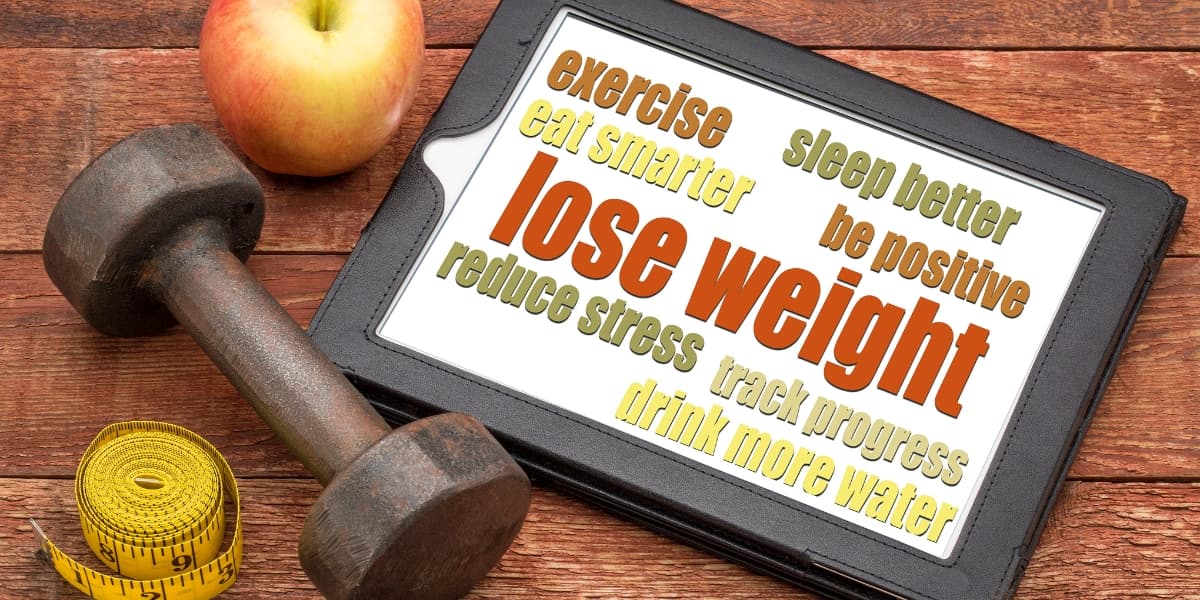
Weight Loss Tips for Women: Safe and Effective Strategies
For many women, losing weight can feel like an uphill struggle due to unique challenges like hormonal changes, lifestyle factors, and societal pressures. However, with the right strategies, women can reach their weight loss goals safely and effectively. This guide shares weight loss tips for women that focus on healthy, sustainable techniques.
Weight Loss Tips for Women
1. Understand Your Unique Challenges
Women face specific challenges when trying to lose weight. Women naturally have less muscle than men, which means they burn fewer calories at rest. Hormonal changes during menstruation, pregnancy, and menopause can affect metabolism, fat storage, and eating habits. Recognizing these factors is essential when planning a weight loss strategy that works for you. Consider following structured plans for women’s weight loss that take into account hormonal fluctuations and metabolic differences.
2. Set Realistic Weight Loss Goals
Healthy weight loss is a gradual process that requires patience. Instead of focusing on losing weight fast, aim for slow, steady progress. Losing 1 to 2 pounds a week is a safe and sustainable goal. This approach helps you maintain muscle mass, which is crucial because muscle burns more calories than fat. Setting realistic goals keeps you motivated and helps avoid the disappointment of rapid weight loss followed by quick weight gain.
3. Adopt a Balanced Diet
A balanced diet is the foundation of weight management and effective weight loss for women. Focus on eating whole grains, lean proteins, healthy fats, and plenty of fruits and vegetables, and don't forget to eat carbohydrates. These foods are nutrient-dense and can help you feel full, making it easier to maintain a calorie deficit without feeling deprived. Here are some key tips for a healthy eating plan:
- Increase Fiber Intake: Foods like oats, beans, and whole grains can keep you full and support digestion. Try to eat at least 25 grams of fiber a day.
- Avoid Processed Foods: Packaged foods are often high in sugar and unhealthy fats, leading to weight gain over time. Cooking at home allows you to control ingredients and portion sizes.
- Watch Portion Sizes: It’s easy to eat more than you need, especially when portions are large. Using smaller plates and being mindful of serving sizes can help you manage your calorie intake.
4. Incorporate Physical Activity
Physical activity is essential for burning calories and maintaining a healthy weight. While diet is crucial, regular exercise helps you burn more calories and improve overall health. Here are some ways to incorporate exercise into your weight loss strategy:
- Strength Training: Building muscle through strength training at least twice a week helps you burn calories even when at rest, as muscle burns more calories than fat.
- Cardiovascular Exercise: Activities like walking, cycling, or swimming can help you lose weight and improve heart health. Aim for at least 150 minutes of moderate aerobic activity each week.
- High-Intensity Interval Training (HIIT): This involves short bursts of intense exercise followed by rest. HIIT can help you burn more calories in a shorter amount of time, making it a time-efficient way to lose body fat.
5. Manage Stress Levels
Stress can make weight loss more difficult. High stress can lead to emotional eating and increased fat storage, especially belly fat, due to elevated cortisol levels and cause obesity. Incorporating relaxation techniques like meditation, yoga, or deep breathing exercises into your routine may help you lose weight by lowering stress levels and improving your eating habits.
6. Prioritize Sleep
Good sleep is crucial for weight loss success. Lack of sleep can affect hormones that control hunger, leading to cravings and overeating. Aim for 7 to 9 hours of sleep each night to support your metabolism and maintain a healthy weight.
7. Stay Hydrated
Drinking water helps control hunger and supports digestion. Aim to drink at least 8 cups of water a day. Drinking water before meals may also help you feel fuller and eat less. Staying hydrated is a simple way to support your weight loss goals.
8. Seek Support
Weight loss can be challenging, and having a support system makes it easier. Whether it’s family, friends, or a professional like a dietitian or personal trainer, sharing your journey with others can help you stay motivated and on track. If you're trying to lose weight, consider joining a support group or seeking personalized advice to create a plan that fits your needs. Consulting with a healthcare professional can also help you determine if supplements for women’s weight loss goals are appropriate for your situation.
9. Track Your Progress
Keeping track of what you eat and drink and your activity levels can help you stay accountable. Use a journal or mobile app to monitor your food intake, exercise, and weight changes. Tracking helps you identify what’s working and where you might need to adjust your weight loss plan.
10. Embrace Mindful Eating
Mindful eating involves paying attention to how you feel while eating, recognizing hunger and fullness cues, and avoiding distractions like phones or TV during meals. This practice helps prevent overeating and can promote a healthier relationship with food.
11. Explore Dietary Approaches
Certain diets, like the Mediterranean diet, focus on whole foods like fruits, vegetables, healthy fats, and lean proteins. This approach can help with weight loss while improving overall health. Choose a diet that fits your lifestyle and helps you maintain a healthy weight.
Conclusion
Achieving a healthy weight takes a combination of factors, including understanding your body’s unique challenges, setting realistic goals, eating a balanced diet, and exercising regularly. Managing stress, getting enough sleep, staying hydrated, and seeking support are also crucial to a successful weight loss journey. By adopting these weight loss tips for women that is confirmed by studies, you can lose 10 pounds and more, reach your goals and maintain a healthy weight over time. Remember, it’s not about quick fixes, lasting change happens through small, consistent efforts that lead to a healthier, happier you.
Frequently Asked Questions
How to lose weight for women?
Women can lose weight by focusing on a balanced diet, regular exercise (strength training and cardio), managing stress, getting enough sleep, and staying hydrated. Setting realistic goals and tracking progress also helps.
Is losing weight harder for women?
Yes, losing weight can be harder for women due to hormonal fluctuations, lower muscle mass, and metabolic differences compared to men. These factors can slow calorie burning and increase fat storage, making weight loss more challenging.
Should women take Creatine for weight loss?
Creatine is typically used to improve strength and muscle performance. While it can help with building muscle, it doesn't directly cause weight loss. It's more beneficial for those focused on improving fitness rather than solely losing weight.
How do you rate this blog?
You might also like
Polycystic Ovary: Symptoms, causes and treatment
Polycystic Ovary Syndrome (PCOS) is a common hormonal disorder affecting women of reproductive age. ...
Comprehensive Guide to Postpartum Weight Loss: Strategies for losing weight after pregnancy
Becoming a new mom is one of life's most joyous transitions, yet it often comes with its own set of ...

13 Best Multivitamins for Women in 2026: Complete Guide to the best Health
As we move further into 2026, it's increasingly important for women to prioritize their health and w...